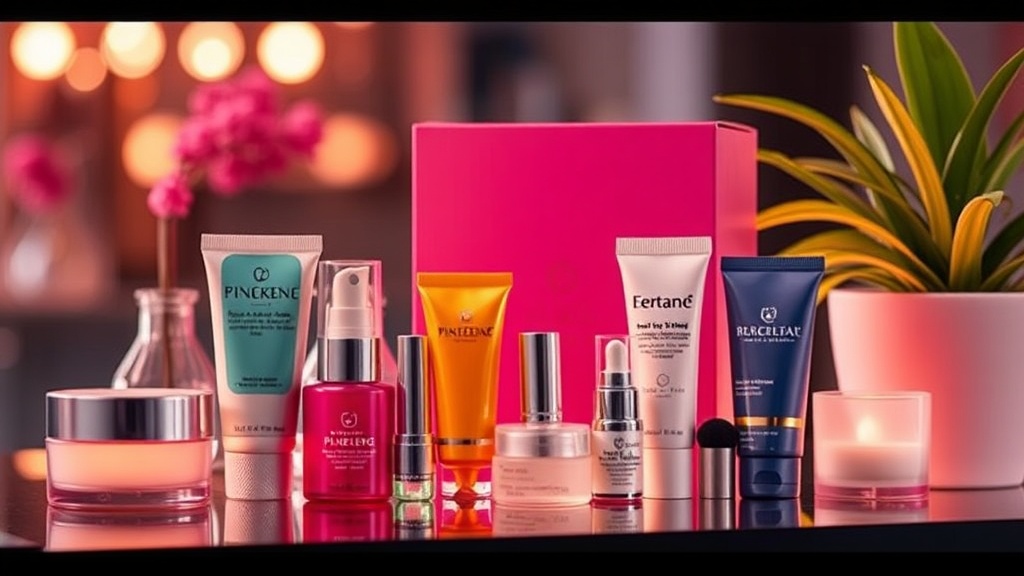
Why You Should Stop Buying Trendy Skincare Sets

The assumption that a curated skincare set will automatically solve your skin concerns is one of the most expensive mistakes you can make in your beauty routine. Most consumers believe that by purchasing a matching line of cleanser, toner, serum, and moisturizer, they are ensuring ingredient synergy. In reality, these sets are often designed for marketing cohesion rather than biological compatibility. This post explains why these pre-packaged regimens frequently fail, how they can damage your skin barrier, and how to transition to a customized approach that prioritizes your specific skin needs over brand aesthetics.
The Myth of the Perfect Routine
Marketing departments sell the idea of a "complete ritual" because it creates a predictable revenue stream. When a brand launches a new line, they want you to buy the entire collection to ensure you are using their specific formulations. However, skin is a dynamic organ that changes based on hormones, climate, diet, and aging. A set that worked for you in the humid summer months in Miami will likely be insufficient or even irritating during a dry winter in Chicago.
The primary issue is that these sets are built for a "generic" skin type. Brands often categorize users into broad buckets like "Oily," "Dry," or "Combination." This oversimplification ignores the nuances of skin conditions such as dehydration, sensitivity, or localized congestion. By committing to a full set, you are tethering your skin health to a rigid formula that cannot adapt to your daily fluctuations.
The Danger of Ingredient Overload
When you use a full set of products from the same line, you are often layering multiple versions of the same active ingredients. While this might seem effective, it frequently leads to a compromised skin barrier. For example, if a brand's "Brightening Set" includes a Vitamin C cleanser, a Vitamin C serum, and a Vitamin C moisturizer, you are significantly increasing the risk of irritation and pH imbalance.
High concentrations of actives used simultaneously can cause micro-inflammation. This often manifests as redness, tightness, or unexpected breakouts. Instead of achieving the "glow" promised on the packaging, you may end up with sensitized skin that reacts to even the gentlest products. To avoid this, you must learn how to organize your skincare shelf by actives so you can track exactly what you are applying to your face at any given time.
Why Brand Synergy is a Marketing Illusion
The industry wants you to believe that Product A is designed to work perfectly with Product B from the same line. While some formulations are indeed designed to be used together, many sets are simply a collection of standard ingredients packaged in matching bottles. There is no scientific requirement that a cleanser must be from the same brand as your moisturizer to be effective.
In fact, mixing and matching products from different brands often yields much better results. You might find that a cleanser from a clinical brand like La Roche-Posay provides the perfect pH-balanced base, while a serum from a botanical-focused brand like Tatchuma provides the specific hydration your skin craves. By sticking to a single set, you are limiting yourself to the specific technological strengths of one single laboratory, rather than utilizing the best innovations from across the entire industry.
The Cost of Inefficiency
Buying sets is rarely a cost-effective way to build a high-performance routine. You often pay a premium for the aesthetic packaging and the convenience of a "ready-made" solution. Frequently, these sets include "filler" products—such as a basic toner or a lightweight essence—that you might not actually need. These unnecessary steps add clutter to your vanity and increase the likelihood of a reaction without providing any tangible benefit to your skin health.
- Unnecessary Steps: Many sets include a toner or essence that serves no purpose for your specific skin type, leading to wasted money.
- Rigid Formulations: You cannot easily swap out one piece of the set if it causes a breakout without disrupting the "intended" routine.
- High Price Points: Buying a full regimen at once often feels like a better deal, but it forces you to invest in products that may not work for you.
How to Build a Custom Skincare Routine
Instead of buying a set, focus on building a "capsule" routine based on your current skin concerns. A capsule routine consists of a few high-quality, versatile products that address your primary needs. This approach allows you to pivot quickly when your skin changes.
Step 1: Identify Your Core Needs
Before purchasing anything, identify your two most pressing concerns. Are you dealing with acne, hyperpigmentation, dehydration, or fine lines? If you are dealing with both acne and dehydration, you might need a salicylic acid treatment for the breakouts and a hyaluronic acid serum for the moisture. A skincare set might try to solve both with a single heavy cream, which could actually clog your pores further.
Step 2: Select Single-Tasking Products
Look for products that have one primary active ingredient. For example, if you want to address dullness, look for a dedicated Niacinamide serum rather than a "Total Radiance Kit." This allows you to control the potency of the ingredient. If the Niacinamide is too strong, you can switch to a different brand or a lower concentration without discarding an entire set of products.
A high-functioning routine should generally follow this structure:
- Cleanser: A gentle, non-stripping formula (e.g., CeraVe Hydrating Cleanser or Cetaphil).
- Treatment/Serum: Your targeted active (e.g., The Ordinary Retinol or SkinCeuticals CE Ferulic).
- Moisturizer: A barrier-supporting cream (e.g., Kiehl's Ultra Facial Cream).
- Protection: A daily SPF (e.g., EltaMD UV Clear).
Step 3: Test Individually
When building a custom routine, introduce one new product at a time. If you buy a four-step set and experience a breakout, you won't know which product caused the reaction. If you introduce a new serum after using your cleanser and moisturizer for a week, you can pinpoint the exact culprit. This methodical approach prevents the "trial and error" frustration that many consumers face when using complex, multi-step regimens.
The Importance of Skin Barrier Integrity
The ultimate goal of any skincare routine should be to maintain a healthy skin barrier. A healthy barrier is a protective layer of lipids and proteins that keeps moisture in and irritants out. Many trendy skincare sets, particularly those marketed for "deep exfoliation" or "instant glow," use aggressive acids that can strip this barrier away.
When you use a set that contains multiple exfoliating agents—such as an AHA toner and a BHA cleanser—you are essentially sandpapering your skin. This leads to chronic inflammation and a "shiny" but dehydrated appearance. By selecting your own products, you can ensure that you are not over-exfoliating and that you are providing enough lipids and ceramides to support your skin's natural defenses.
"Beauty is not a performance of perfection; it is the maintenance of your unique biology. Treat your skin as an individual, not a marketing demographic."
Stop letting brands dictate your routine through pre-packaged sets. Your skin is too complex for a one-size-fits-all solution. Take control of your regimen by focusing on individual ingredients, testing products one by one, and prioritizing the long-term health of your skin barrier over the temporary satisfaction of a matching set of bottles.