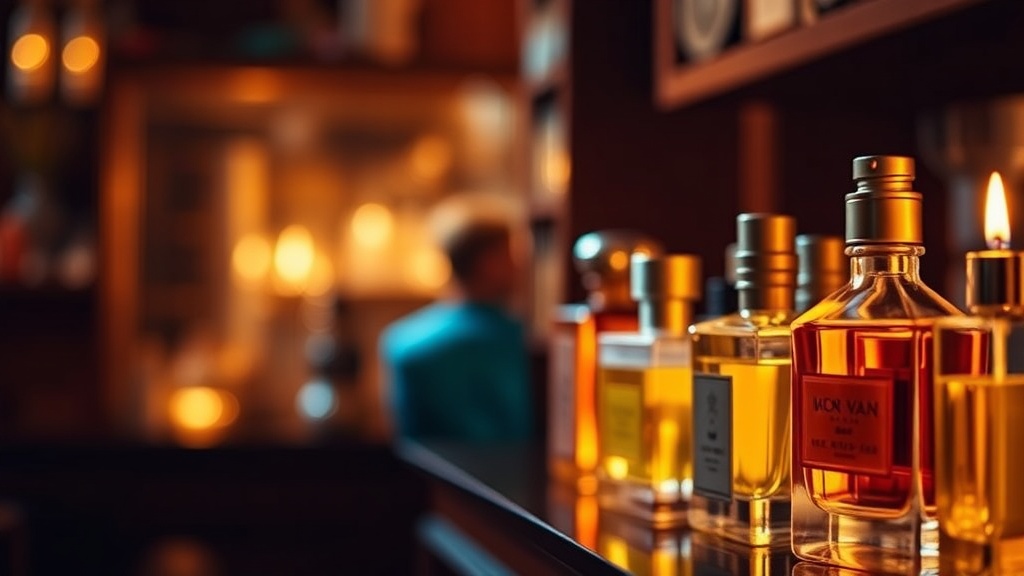
How to Build a Signature Scent Wardrobe
Do you ever feel like your one "signature scent" is actually a limitation rather than a choice?
Most people settle for one perfume that they spray every single morning, regardless of whether they are heading to a high-stakes boardroom meeting or a casual Sunday brunch. While having a reliable scent is fine, building a scent wardrobe allows you to use fragrance as a tool for mood regulation, outfit completion, and situational appropriateness. This guide will teach you how to move beyond the single-bottle habit and curate a collection of fragrances that reflect the different facets of your life and personality.
Understand the basic fragrance architecture
Before you start buying bottles, you need to understand what is actually inside them. Fragrances are built in layers, known as notes, which dictate how a scent evolves on your skin over several hours. Understanding these will help you predict how a perfume will behave throughout your day.
Top, Middle, and Base Notes
The top notes (or head notes) are the first thing you smell when you spray a perfume. They are usually bright, volatile, and disappear within 15 to 30 minutes. Common top notes include citrus like Bergamot or Lemon, and light herbs like Mint. The middle notes (or heart notes) emerge as the top notes fade. This is the "soul" of the fragrance, often featuring florals like Jasmine or Rose, or spices like Cinnamon. Finally, the base notes are the heavy hitters. These are the scents that linger on your skin for 6 to 8 hours or more, such as Sandalwood, Vanilla, Musk, or Patchouli. When testing a new scent, never buy it based only on the top note; you must wait at least an hour to see how the base notes interact with your unique skin chemistry.
Fragrance Concentrations
The price and longevity of a scent are largely determined by the concentration of perfume oils in the alcohol. Knowing the difference prevents the frustration of a scent disappearing too quickly:
- Eau de Cologne (EdC): 2% to 4% concentration. Very light and lasts about 2 hours. Best for a quick refresh.
- Eau de Toilette (EdT): 5% to 15% concentration. Lasts about 3 to 5 hours. Ideal for daytime or office wear.
- Eau de Parfum (EdP): 15% to 20% concentration. Lasts 5 to 8 hours. This is the standard for a "signature" scent.
- Parfum/Extrait: 20% to 40% concentration. The most intense and long-lasting, often staying on the skin for 12+ hours.
Categorize your collection by olfactory families
A well-rounded wardrobe doesn't mean owning twenty versions of the same vanilla scent. It means having a variety of "families" so you can pivot your vibe as needed. Aim to collect at least one from each of these major categories:
Fresh and Citrus
These are your "clean" scents. They often feature notes of sea salt, grapefruit, cucumber, or green tea. These are perfect for the gym, running errands, or wearing on a hot summer day when you want to feel revitalious rather than weighed down. A classic example is Jo Malone London Wood Sage & Sea Salt, which provides a crisp, breezy feeling without being overly sweet.
Floral
Florals range from single-note scents to complex bouquets. You might choose a "White Floral" (Jasmine, Tuberose) for something seductive and heavy, or a "Fresh Floral" (Peony, Lily of the Valley) for something romantic and light. If you want a scent that feels sophisticated but approachable, look for Rose-based fragrances like Diptyque Eau Rose.
Oriental and Spicy
These are the warm, sensual, and often "heavy" scents. They rely on amber, vanilla, resins, and exotic spices. These are your go-to scents for date nights, evening events, or cold winter months. They command attention and have a much higher projection than citrus scents. Yves Saint Laurent Black Opium is a staple in this category, leaning heavily into the gourmand-spicy side.
Woody and Earthy
Woody scents are grounded and sophisticated. They often feature Cedarwood, Vetiver, or Sandalwood. These are excellent for professional settings where you want to project confidence and stability without being "loud." They work exceptionally well for unisex styling. Le Labo Santal 33 is a cult favorite that exemplifies the modern, woody aesthetic.
Match your scent to the occasion
Once you have your categories, you need a system for choosing which one to wear. Think of your perfume as the final accessory to your outfit.
- The Professional Setting: Stick to "skin scents" or light woods. You want a scent that is noticeable within your personal bubble (an arm's length) but doesn't overwhelm a colleague during a meeting. Look for light Musk or Vetiver.
- The High-Energy Social Event: This is the time for projection. If you are going to a concert or a loud bar, you need a scent with higher concentration (EdP or Parfum) and stronger base notes like Patchouli or Amber to cut through the environment.
- The Low-Key Weekend: This is the time for experimentation. If you are staying home or going for a walk, try a "niche" fragrance that might be too polarizing for the office. This is where you can play with unconventional notes like tomato leaf, gunpowder, or heavy oud.
- The Formal Evening: Pair your most "expensive-smelling" scents with formal wear. This usually means deeper florals or rich Orientals. If you are wearing silk or satin, a scent with a smooth, creamy texture like Sandalwood or Vanilla complements the tactile nature of the fabric. For more on creating a sensory environment, check out our guide on curating your perfect bedtime beauty environment to see how scent and texture work together.
Practical tips for building and maintaining your wardrobe
Building a collection can get expensive if you aren't strategic. Follow these rules to keep your collection high-quality and manageable.
Start with Decants and Samples
Never buy a full bottle of a niche fragrance based on a description or a single spray at a department store counter. The "blind buy" is a trap. Instead, use sites like ScentSplit or LuckyScent to purchase 2ml or 5ml decants. This allows you to live with the scent for a week, seeing how it reacts to your sweat, your diet, and the changing weather before committing $200+ to a full bottle.
Store your bottles correctly
Fragrance is a chemical composition that is highly sensitive to its environment. Heat, light, and humidity are the enemies of perfume. If you keep your bottles on a sunny windowsill or in a humid bathroom, the top notes will oxidize and turn "sour" much faster. To preserve your investment, store your collection in a cool, dark place—ideally a bedroom drawer or a dedicated cabinet. While some people use a skincare fridge to keep certain products cool, a standard dark drawer is more than sufficient for perfume.
Layering for a unique signature
If you want a scent that truly belongs only to you, try layering. This doesn't mean spraying two heavy perfumes on top of each other, which can be cloying. Instead, try a "base" scent (like a single-note Sandalwood or Vanilla) and layer a lighter, citrus or floral scent on top. This creates a customized olfactory profile that is difficult for others to replicate.
Mind your application points
For longevity, apply scent to pulse points: the wrists, the neck, and even the inner elbows. However, if you want a more subtle "scent trail" (sillage), spray it on your hair or the back of your neck. Avoid rubbing your wrists together after application; this "crushes" the molecules and can cause the top notes to evaporate prematurely. If you prefer a more controlled, portable option, you might want to explore why you should switch to a solid perfume routine for easier, more discreet application throughout the day.
A signature scent wardrobe is about more than just smelling good; it is about intentionality. It is the ability to choose how you present yourself to the world, one note at a time.
Steps
- 1
Identify Your Core Notes
- 2
Shop by Season and Occasion
- 3
Experiment with Scent Layering
- 4
Store Your Bottles Properly