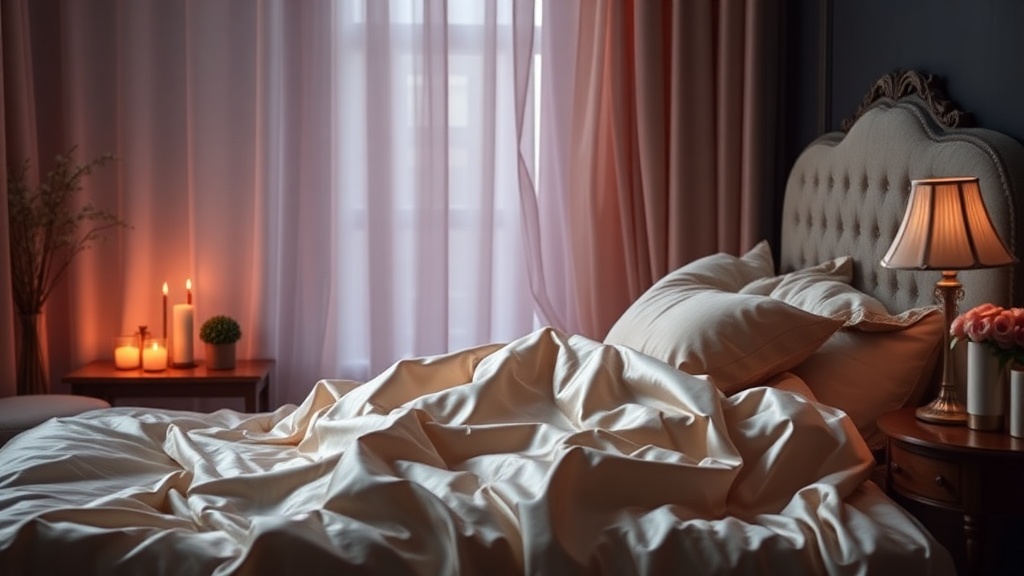
Silk, Satin, and Sleep: Curating Your Perfect Bedtime Beauty Environment

You will learn how to optimize your sleep environment through fabric selection, temperature control, and sensory layering to maximize skin recovery and mental rest.
The quality of your skin and your mental clarity during the day is directly proportional to the environment you curate during the eight hours you spend in bed. Most people view sleep as a passive state, but high-performance beauty and wellness require an active approach to your nocturnal surroundings. This guide breaks down the three pillars of the perfect bedtime environment: textile engineering, atmospheric control, and sensory ritualization.
The Textile Foundation: Silk, Satin, and Cotton
The fabric touching your face for a third of your life dictates how much moisture your skin retains and how much friction your hair undergoes. Choosing the wrong material can lead to transepidermal water loss (TEWL) and mechanical breakage of the hair cuticle.
Pure Mulberry Silk: The Gold Standard
If your budget allows, 100% Mulberry silk is the superior choice for skin and hair. Unlike cotton, which is a highly absorbent fiber, silk has a low absorption rate. This means your expensive night creams and hyaluronic acid serums stay on your skin rather than being wicked away into your pillowcase. Silk also provides a smooth surface that prevents "sleep creases"—those fine lines caused by skin being compressed against a rough fabric. For hair, silk reduces friction, preventing the frizz and breakage often seen with cotton pillowcases.
Satin: The Accessible Alternative
Satin is a weave, not a fiber. While most affordable satin is made from polyester, it still offers the low-friction benefits of silk. If you are looking for a budget-friendly way to protect your hair from tangles, a synthetic satin pillowcase provides a similar glide. However, be aware that synthetic satin does not breathe as well as natural fibers, which can lead to overheating.
Long-Staple Cotton: Breathability and Durability
If you prefer the crisp feel of cotton, ensure you are using long-staple varieties like Egyptian or Pima cotton. These fibers are longer and smoother, resulting in a tighter weave that is less abrasive to the skin. Cotton is highly breathable, making it the best choice for those who experience night sweats, though it requires more frequent washing to prevent bacteria buildup.
"The goal is to minimize friction and maximize moisture retention. Your pillowcase should act as a protective barrier, not a sponge for your skincare."
Atmospheric Control: Temperature and Air Quality
Your body temperature needs to drop by approximately 2 to 3 degrees Fahrenheit to initiate deep sleep. If your bedroom is too warm, your skin's inflammatory response may increase, and your sleep cycles will be disrupted.
The Ideal Thermostat Setting
Research suggests that the optimal temperature for sleep is between 60 and 67 degrees Fahrenheit (15 to 19 degrees Celsius). A cool room encourages the body to enter the restorative stages of sleep more quickly. If you find a cool room uncomfortable, layer your bedding rather than turning up the heat. Use a weighted blanket for sensory soothing, but pair it with breathable sheets to avoid overheating.
Humidity and Air Circulation
Dry air, often caused by air conditioning or central heating, can dehydrate your skin and respiratory tract. Incorporating a cool-mist humidifier can maintain an ideal humidity level of 30% to 50%. This is particularly vital if you use active ingredients like retinol or glycolic acid at night, as these can increase skin sensitivity to dryness. Ensure you clean your humidifier weekly with white vinegar to prevent mold growth, which can negatively impact air quality.
Air Purification
Dust mites and airborne allergens can trigger low-level inflammation in the skin and sinuses. Using a HEPA (High-Efficiency Particulate Air) filter in your bedroom helps remove fine particles, pollen, and pet dander. A cleaner air environment ensures that your skin is not battling environmental irritants while it attempts to undergo deep skin recovery throughout the night.
Sensory Layering: Lighting and Sound
The way you transition into sleep is just as important as the sleep itself. You must signal to your nervous system that the day is over by manipulating light and sound.
The Science of Light Regulation
Light exposure, particularly blue light from smartphones and tablets, suppresses melatonin production. To prepare for sleep, implement a "digital sunset" at least 60 minutes before bed. If you must use a device, utilize the "Night Shift" or "Blue Light Filter" setting. For ambient lighting, switch to warm-toned bulbs (2700K or lower) and use dimmable lamps rather than overhead lights. This mimics the setting sun and prepares your circadian rhythm for rest.
Auditory Environments
Sound can either be a disruptor or a tool. If you live in a noisy urban environment, use a white noise machine or a fan to create a consistent "sound blanket" that masks sudden noises. If you find complete silence unsettling, consider pink noise or brown noise—these have deeper frequencies that are often more soothing for the human brain than the high-pitched hiss of white noise. For those practicing mindfulness, binaural beats can help guide the brain into alpha and theta wave states, which are associated with relaxation and light sleep.
The Bedtime Routine: A Tactical Checklist
To ensure your environment works in harmony with your body, follow this structured approach to your nightly wind-down.
- The Cleansing Phase: Remove all traces of the day. Use a double-cleanse method—starting with an oil-based cleanser like the Clinique Take The Day Off balm to dissolve SPF and makeup, followed by a gentle water-based cleanser.
- The Treatment Phase: Apply your targeted serums. If you are working on achieving glass skin, this is when you apply your hydrating essences and humectants to damp skin to lock in moisture.
- The Environmental Prep: Dim the lights, set your thermostat to 65°F, and turn on your humidifier.
- The Sensory Finality: Use a linen spray with lavender or sandalwood to scent your pillowcase. This creates a Pavlovian response where the scent signals the brain to shut down.
Maintenance and Hygiene
A perfect environment is useless if it is not kept clean. Your bedding is a collection point for dead skin cells, sebum, and hair products.
- Pillowcase Rotation: If you use heavy night creams or oils, change your pillowcase every 2 to 3 days. This prevents the buildup of bacteria and old product that can cause breakouts.
- Sheet Laundering: Wash your bed sheets once a week in a fragrance-free, hypoallergenic detergent. Avoid fabric softeners, as they can leave a film on the fabric that may irritate sensitive skin.
- Mattress Care: Use a high-quality mattress protector. This provides an extra layer of protection against allergens and helps maintain the structural integrity of your mattress.
By treating your bedroom as a curated sanctuary rather than just a place to sleep, you are investing in your long-term dermatological health and cognitive function. Beauty is not just about what you apply to your face; it is about the environment you allow your body to inhabit while it heals.