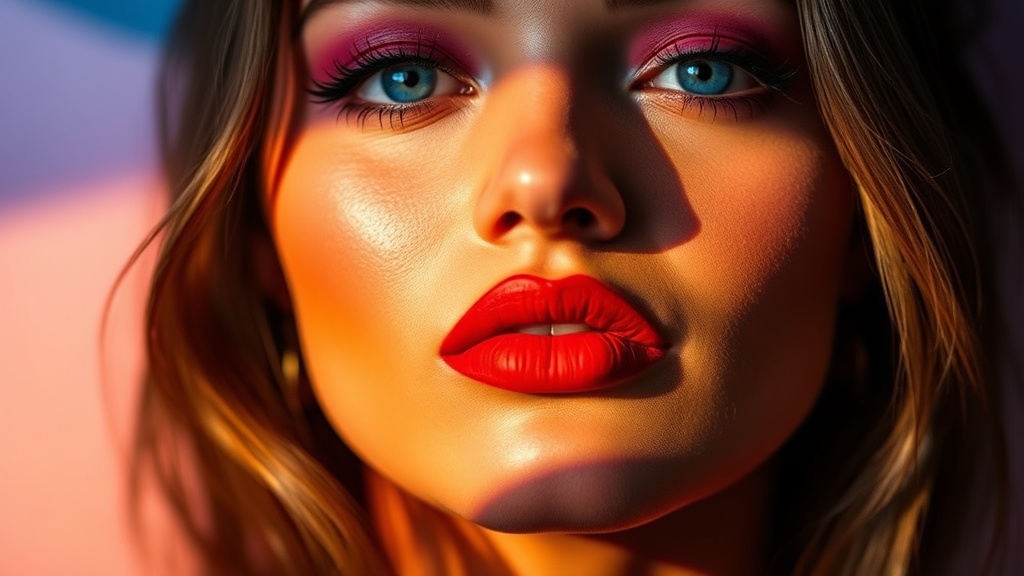
Your Color Code: Unlocking Daring Lip Shades That Truly Pop
Ever wonder why some lip colors just don't sing on you, even if they look amazing on someone else?
It’s a tale as old as lipstick itself, isn’t it? You see a jaw-dropping shade on a friend, rush to buy it, only to find it falls completely flat—or worse, makes you look a bit… unwell. Forget what the beauty gurus tell you about your 'season' or your 'undertones' being the be-all and end-all. While those concepts can offer a starting point, true lip color mastery isn't about rigid rules; it's about understanding contrast, embracing your unique canvas, and finding the shades that truly ignite your spirit. This guide isn't here to box you in, but to break you out, helping you discover those unapologetically bold lip colors you might have once thought were ‘not for you.’ Because here at Beauty Untamed, we believe beauty is play, and every shade is yours for the taking.
How do you find your perfect bold lip shade?
Forget the old adage of matching your lipstick to your undertone. While knowing if you lean warm, cool, or neutral can be a helpful compass, it shouldn't dictate your entire lip wardrobe. Think of it more as a suggestion, not a commandment. The real magic happens when you consider how a color interacts with your overall complexion—your skin's depth, your hair, and even your eye color. It's about creating a harmonious visual story, or sometimes, a delicious disruption.
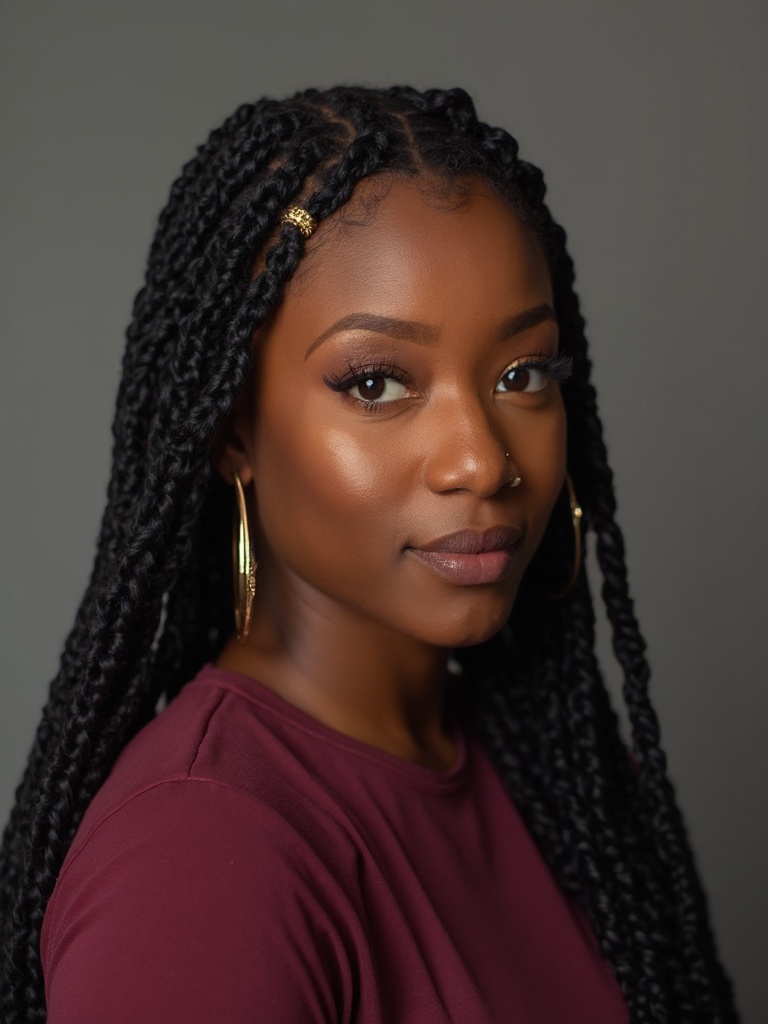
First, let’s talk about skin depth. Someone with very fair skin might find a deep, rich berry or a vibrant fuchsia creates a striking, almost ethereal contrast. On the flip side, a neon coral or electric orange can look absolutely incandescent on deeper skin tones, where the bright pigment truly pops without appearing clownish. It’s not about finding a muted shade to 'blend in' but finding a vibrant one that stands out in the most captivating way.
Instead of swatching on your inner wrist—a practice that rarely reflects your face's true coloring—try swiping a potential shade directly onto your fingertip, which is closer to your lip color and facial skin tone. Better yet, if you're in a store and can sanitize the testers, dab a tiny bit directly on your lower lip or even hold the tube near your mouth in natural light. Does it make your teeth look brighter? Do your eyes seem to sparkle a little more? Does your complexion suddenly look more alive, less sallow? These are the real tells. If a shade makes you question everything, put it down. If it makes you feel a jolt of exciting confidence, you're onto something. For a deeper dive into how colors interact, understanding basic