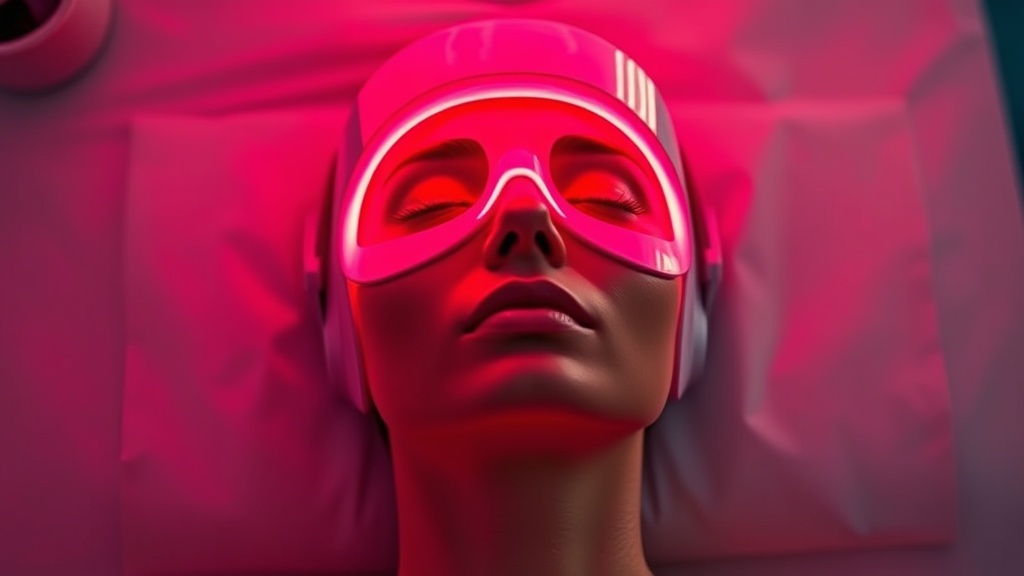
Why You Should Switch to a Red Light Therapy Mask

A client sits in a chair, staring into a magnifying mirror. She has tried every high-end vitamin C serum and every heavy hyaluronic acid cream on the market, yet the fine lines around her eyes and the persistent redness on her cheeks remain unchanged. She is tired of topical solutions that only sit on the surface of the skin. This frustration is common because most skincare focuses on what you put on your skin, rather than how you stimulate the skin from within. Red light therapy (RLT) masks offer a way to bypass the surface barrier by using light to trigger cellular-level repair, making it a vital addition to a high-performance skincare routine.
This post explores the science behind photobiomodulation, the specific benefits of red and near-infrared light, and how to integrate a device into your daily regimen for maximum efficacy. If you are looking to move beyond basic topical treatments and invest in long-term skin health, understanding how light technology works is the first step.
The Science of Photobiomodulation
Red light therapy is not just a glowing trend; it is rooted in the science of photobiomodulation. When you wear a light therapy mask, you are subjecting your skin cells to specific wavelengths of light that penetrate the epidermis and reach the dermis. The primary mechanism at work involves the mitochondria, often called the "powerhouses" of your cells.
The light energy is absorbed by a photoreceptor enzyme called cytochrome c oxidase. This process stimulates the production of Adenosine Triphosphate (ATP), which is the fundamental energy currency of your cells. When cells have more ATP, they can perform their natural functions—such as repairing damage and producing collagen—much more efficiently. This is the fundamental difference between a standard moisturizer, which provides temporary hydration, and a light mask, which provides the biological energy required for actual structural change.
Red Light vs. Near-Infrared Light
Most high-quality LED masks, such as those from brands like CurrentBody or Dr. Dennis Gross, utilize two distinct wavelengths. It is important to know which one you are using and why:
- Red Light (approx. 630–660nm): This wavelength is shorter and stays closer to the surface of the skin. It is primarily used for targeting inflammation, redness, and improving skin texture. It is excellent for those dealing with acne-related redness or general dullness.
- Near-Infrared Light (approx. 830–850nm): This wavelength has a longer path of penetration. It reaches deeper into the subcutaneous layers to stimulate collagen and elastin production. This is the wavelength responsible for addressing deep-set wrinkles and sagging skin.
The Primary Benefits of Red Light Therapy
Switching to a regular red light therapy routine provides several measurable improvements to skin health that topical serums alone struggle to achieve.
1. Collagen and Elastin Production
As we age, our natural production of collagen slows down, leading to loss of firmness and the appearance of fine lines. Because red light stimulates the fibroblasts (the cells responsible for collagen production), it helps maintain skin elasticity. Regular use can lead to a visible reduction in the depth of wrinkles around the mouth and eyes. Unlike injectable fillers that provide temporary volume, RLT aims to support the skin's natural structural integrity.
2. Reduction of Inflammation and Redness
Chronic inflammation is a leading cause of premature aging and skin sensitivity. Red light has potent anti-inflammatory properties. For individuals dealing with rosacea or frequent breakouts, the calming effect of the light can reduce the visible redness and soothe the skin barrier. This makes it a great companion to a skincare fridge, as you can use chilled serums to further calm the skin after a light session.
3. Accelerated Wound Healing and Recovery
The ATP stimulation mentioned earlier doesn't just help with aging; it speeds up the body's natural healing processes. This is particularly useful for those recovering from aggressive dermatological treatments like chemical peels or microneedling. By increasing cellular energy, the skin can repair itself more rapidly, reducing downtime and irritation.
How to Choose the Right Mask
The market is flooded with various LED devices, ranging from cheap, unbranded handheld wands to professional-grade medical-grade masks. To ensure you are getting actual results, you must look for specific technical specifications.
Irradiance and Power: Irradiance refers to the amount of light energy delivered to a specific area. A mask with low irradiance will require much longer treatment times to see any benefit. Look for devices that provide clinical-grade power levels. If a manufacturer cannot provide the specific wavelength and irradiance numbers, do not buy it.
Wavelength Consistency: Some cheaper devices use "red" light that is actually in the visible spectrum but lacks the near-infrared component. For true anti-aging results, you need the near-infrared wavelength (830nm+) to reach the deeper layers of the dermis.
Form Factor: There are two main types of devices: flexible silicone masks and hard shell masks.
- Flexible Silicone: These (like the CurrentBody Skin LED Light Therapy Mask) contour to your face, ensuring the light is as close to the skin as possible. This maximizes the light delivery.
- Hard Shell: These are often easier to use while multitasking, but they may not sit as flush against the skin, which can slightly decrease the efficiency of the light penetration.
Integrating Red Light Therapy Into Your Routine
To see actual structural changes in your skin, consistency is more important than intensity. You cannot use a mask once a week and expect a lifted jawline; you must treat this as a long-term biological intervention.
The Ideal Protocol
- Cleanse: Start with a completely clean, dry face. Any residue from oils, heavy creams, or even makeup will act as a barrier, reflecting the light away from your skin. Use a gentle, pH-balanced cleanser like La Roche-Posay Toleriane to ensure no film is left behind.
- Apply (or Skip): Some enthusiasts suggest applying a light, water-based serum before treatment. However, most dermatologists recommend using the mask on bare skin to ensure the light reaches the cells without being blocked by heavy oils or occlusives. If you use a serum, ensure it is a highly penetrative, lightweight formula.
- The Session: Most professional-grade masks require 10 to 20 minutes of use. It is best to do this in a dimly lit room to allow your eyes to relax, though most quality masks come with protective goggles.
- Post-Light Hydration: After the session, your skin's permeability is often increased. This is the perfect time to apply your most expensive serums and moisturizers. Since the light has primed your cells, your topical products will work more effectively.
Frequency and Timing
For beginners, I recommend starting with three times a week. Overusing the device can occasionally lead to skin sensitivity if your skin is not used to the stimulation. Once your skin has acclimated, you can move to daily use if the device's instructions allow. Ideally, perform your session in the evening. This allows the skin to enter its natural repair cycle during sleep, unhindered by UV exposure or environmental pollutants.
Common Mistakes to Avoid
Even with the best technology, certain habits can negate your progress. Avoid these common pitfalls:
Using the Mask Over Sunscreen: Sunscreen is designed to reflect and absorb light to protect your skin. If you wear a mask over a layer of SPF, you are essentially blocking the very wavelengths you are trying to absorb. Never use your LED mask in the morning after your sun protection routine; save it for your nighttime ritual.
Expecting Overnight Results: This is a biological process, not a magic trick. You might see a slight "glow" immediately after a session due to increased circulation, but the real benefits—collagen synthesis and wrinkle reduction—take 8 to 12 weeks of consistent use to become visible.
Neglecting Skin Health Elsewhere: Red light therapy is a powerful tool, but it is not a replacement for a healthy lifestyle. If you are not protecting your skin from UV damage or providing it with necessary nutrients through diet, the light will be working against an uphill battle. Think of the mask as a high-performance supplement to your existing care, not a total replacement.
Red light therapy represents a shift in how we approach skincare—moving from a focus on "covering up" to a focus on "building up." By investing in a quality device and following a disciplined routine, you are giving your skin the biological tools it needs to function at its peak.