Why You Need a Fragrance Layering Routine
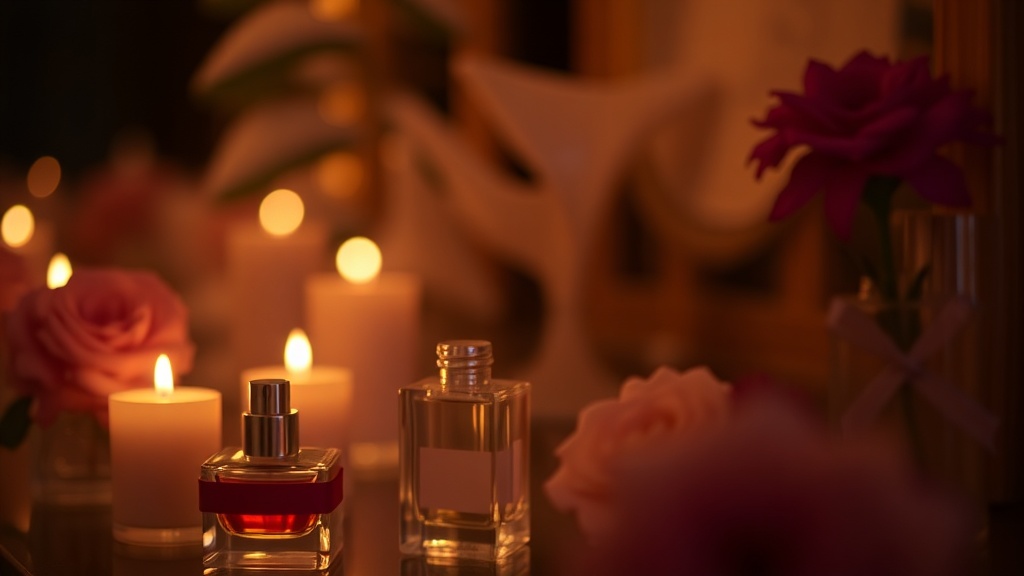
A heavy glass bottle of Santal 33 sits on a marble vanity, its scent cutting through the room with a distinct cedar and cardamom punch. Next to it, a smaller, milky vial of vanilla bean oil waits. On their own, they are two separate profiles; together, they create a third, entirely unique olfactory identity that belongs only to you. This is the essence of fragrance layering: the practice of combining different scents to create a custom, multidimensional aroma. This guide explains why you should move beyond a single signature perfume and how to strategically build a routine that increases scent longevity and personal expression.
The Benefits of Fragrance Layering
Most people treat perfume as a final, static step in their beauty routine. However, treating scent as a modular system offers several practical advantages. First, it solves the problem of scent fatigue. If you wear the same heavy oud every day, your nose eventually becomes desensitized to it. By layering a lighter citrus or a soft musk underneath, you refresh the profile and keep the experience engaging.
Second, layering allows you to manipulate the "vibe" of a fragrance without buying a completely new bottle. A sharp, professional vetiver can be softened for a weekend brunch by adding a single spray of a creamy sandalwood. This versatility makes your collection work harder for you. Finally, layering is the most effective way to increase the longevity of a scent. By building a base of heavier molecules, you create a foundation that holds onto lighter, more volatile top notes for a longer duration.
Start with a Base: The Foundation of Longevity
To build a scent that lasts through a long workday or a night out, you must start with a "heavy" molecule. In the fragrance world, these are scents with low volatility, meaning they evaporate slowly. These are your anchors. If you apply a light citrus scent directly to dry skin, it will likely vanish within two hours. If you apply it over a heavy base, it has something to cling to.
Common base ingredients include:
- Vanilla and Amber: These are warm, resinous, and incredibly sticky. They provide a sweet, cozy foundation.
- Sandalwood and Cedar: These woody notes provide a structural, grounded feel.
- Musk: A clean or "skin-like" musk acts as a bridge between different scent families.
- Patchouli: An earthy, slightly dark base that adds depth to floral scents.
When selecting your base, look for products with higher concentrations, such as Eau de Parfum (EDP) or Extrait de Parfum. If you want to be more subtle, use a single-note perfume oil or a scented body balm as your first layer. A product like Glossier You—which relies heavily on ambroxan—is an excellent, modern example of a "skin scent" that serves as a perfect, transparent base for other fragrances.
The Three-Step Layering Technique
Layering is not about spraying two perfumes on top of each other in a chaotic cloud. There is a specific order of operations to ensure the scents complement rather than compete. Follow this structural approach to ensure a cohesive result.
Step 1: The Moisturizer or Oil Base
Fragrance clings to moisture. If your skin is dehydrated, it will "drink" the alcohol in the perfume, causing the scent to disappear. Start by applying an unscented or lightly scented body oil to your pulse points. If you want to build a scent profile, use a single-note oil. For example, applying a jojoba oil infused with a hint of vanilla to your wrists and neck creates a receptive surface for whatever perfume you apply next.
Step 2: The Heavy Anchor
Apply your heaviest, most potent scent next. This should be your woody, spicy, or resinous fragrance. Instead of spraying it all over your torso, focus on the pulse points: the wrists, the inner elbows, and the base of the throat. This concentrates the heavy molecules where your body heat is highest, allowing them to radiate slowly throughout the day.
Step 3: The Top Note Accent
The final step is your "bright" scent. This is typically a floral, citrus, or green fragrance. These notes are volatile and sit on the surface of the skin. By spraying this over your anchor, the top notes will dance on top of the heavier base. For instance, if you have applied a deep, smoky oud, a light spray of a rose-based perfume like Diptyque Eau Capitale will add a fresh, sophisticated lift to the smokiness.
Common Fragrance Combinations to Try
If you are new to this, don't guess—use proven scent families. Here are three distinct directions you can take your routine:
- The Warm Gourmand: Layer a heavy vanilla or caramel-based scent with a light, sparkling citrus. The result is a "creamsicle" effect—sophisticated and sweet without being cloying. Try a vanilla oil base with a light bergamot spray.
- The Sophisticated Woods: Combine a deep sandalwood or cedarwood base with a light, airy white floral like jasmine or lily of the valley. This creates a scent that feels grounded but remains elegant and feminine.
- The Fresh Spice: Take a bright, green, or aquatic scent and layer it over a spicy amber or cardamom base. This adds a sense of mystery to a scent that might otherwise feel too "clean" or simple.
As you refine your technique, you may want to consider building a signature scent wardrobe. This allows you to have a curated selection of bases and accents that are designed to work together, rather than a random collection of unrelated bottles.
Mistakes to Avoid
While layering is a form of play, there are technical pitfalls that can ruin a scent profile. Avoid these common errors to keep your routine professional and pleasant.
Do not rub your wrists together. This is a common habit, but it is a mistake. Rubbing creates friction and heat that can break down the delicate top notes of your perfume, effectively "crushing" the scent profile before it has a chance to develop on your skin. Instead, spray and let it air-dry.
Avoid "clashing" intensities. If you layer two extremely heavy, "beast mode" fragrances—such as a thick tuberose and a heavy oud—the result will likely be overwhelming to you and anyone in your vicinity. One scent must always be the "star" (the dominant one) and the other must be the "supporting actor" (the one that adds nuance).
Mind the concentration. Be aware of the difference between a Cologne, an Eau de Toilette (EDT), and an Eau de Parfum (EDP). If you are layering, try to use an EDT as your top layer and an EDP or oil as your base. If you use two high-concentration EDPs, the scent may become too dense and lose its complexity.
The Practicality of Scent in Your Beauty Routine
Just as you wouldn't skip moisturizer in your skincare routine, you shouldn't skip the preparation phase of your fragrance routine. Just as achieving glass skin requires a disciplined layering of hydration and protection, achieving a long-lasting, complex scent requires a disciplined layering of molecular weights.
Treat your fragrance as a functional part of your grooming. Whether you are prepping for a high-stakes meeting where a sharp, woody scent provides confidence, or a relaxed evening where a soft, musky layer feels intimate, the ability to customize your aroma is a powerful tool in your beauty arsenal. Start small: pick one base oil and two different perfumes, and begin experimenting with how they react to your skin chemistry. The goal isn't to smell like a department store; the goal is to smell like a version of yourself that can't be replicated.