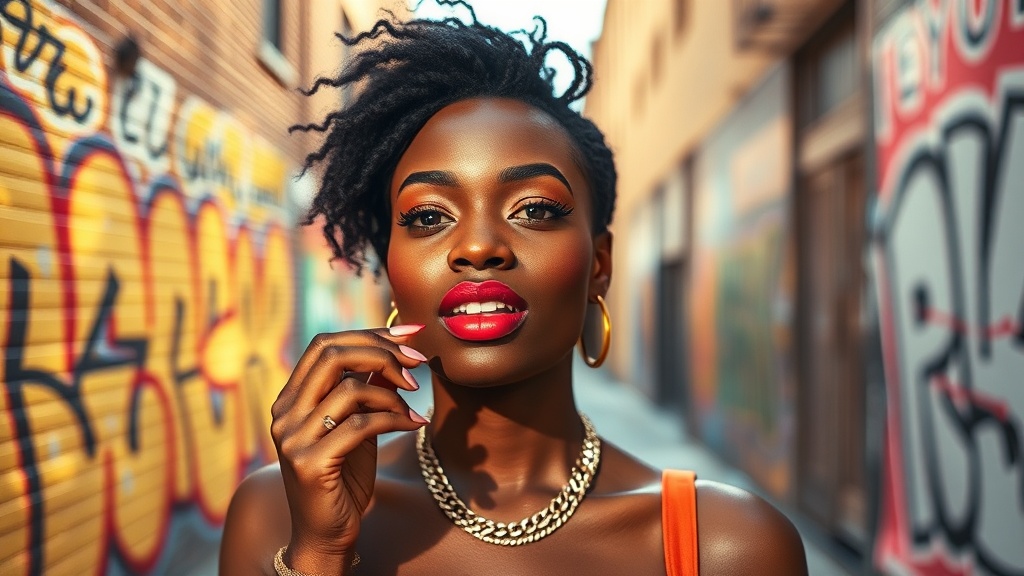
Why Shade Ranges Still Miss Deep Skin – The 2026 Outlook
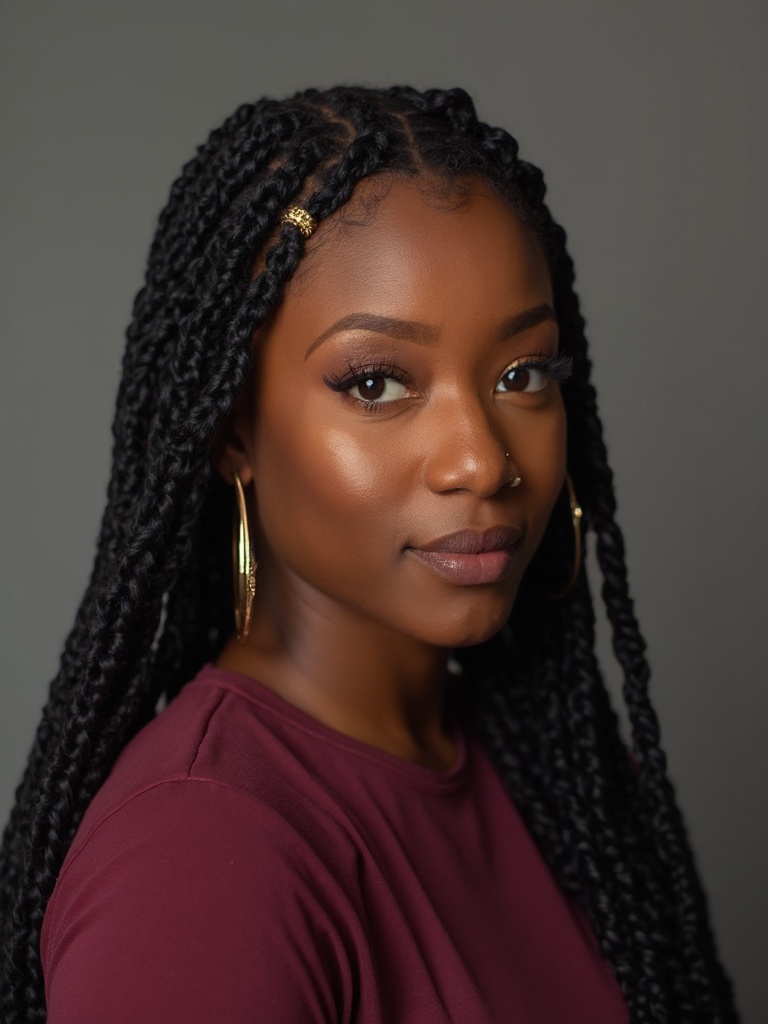
Why do shade ranges still miss deep skin tones in 2026?
Hook: You spend $30 on a foundation only to discover it looks like a mask on your skin. Frustrating, right? I’ve been there, and I’m still fighting the same shade‑gap battle.
Context: The beauty industry promised “inclusive for all” a few years ago, yet deep‑skin shoppers keep hearing the same story: “We’re working on it.” It’s time to dissect why the promise stalls and how we can finally break the cycle.
What’s the real data behind the shade gap?
According to the McKinsey Beauty Industry Report 2025, only 12% of global foundation lines offer ten or more shades for deep skin tones (F3‑F5). The same report notes that brands that do expand their ranges see a 15% lift in sales among BIPOC consumers.
WGSN’s Colour Beauty Report 2025 found that 68% of makeup‑loving Millennials say “lack of deep shades” is the top reason they avoid certain brands.
Why do brands keep falling short?
- Supply‑chain inertia: Developing new pigments for darker undertones often requires different base formulas, which many manufacturers deem “costly” for a perceived niche market.
- Data blind spots: Brands rely on limited market research that under‑represents deep‑skin shoppers, leading to skewed product roadmaps.
- Marketing hype over substance: A few high‑profile “inclusive” launches become PR stunts, while the core range stays unchanged.
How can indie brands lead the charge?
Indie labels have the agility to experiment with undertone‑first formulas. Take Kulfi Beauty – they built their entire line around undertone mapping, and the result is a shade range that actually works for deep skin without “shocking” adjustments.
Another example is the Brown Lip Liner Index, which curated pigments that stay true on melanin‑rich lips, proving that thoughtful curation beats “one‑size‑fits‑all” formulas.
What can consumers do right now?
- Demand transparency: Ask brands for undertone breakdowns, not just “light, medium, dark.”
- Support indie innovators: Brands that prioritize undertone‑first design often reinvest profits into expanding shade depth.
- Mix & match: Use a combination of foundation and concealer to hit the perfect match—my go‑to is pairing a deep‑skin base with a warm‑tone highlighter for a natural glow.
What’s the future of shade inclusivity?
AI‑driven pigment matching is emerging. Companies like L’Oréal are testing algorithms that recommend custom blends based on a selfie scan. If the tech scales, we could see “on‑demand” foundations that eliminate the shade gap entirely.
But technology alone won’t fix the bias. Real change requires brands to listen to the community and allocate R&D dollars where they matter.
Takeaway
Shade gaps persist because of outdated supply chains, narrow data, and performative marketing. The solution lives in three places: indie agility, consumer pressure, and emerging AI tech. Keep demanding, keep supporting, and keep experimenting—you deserve a shade that feels like skin, not a mask.
Related Reading
- 5 More Beige Shades Isn’t Diversity: The 2026 Shade Range Problem — A deep dive into why adding “more beige” doesn’t solve inclusivity.
- Kulfi Beauty Isn’t ‘Niche’ — It’s the Blueprint for Undertone‑First Makeup — How an indie brand built a shade‑first approach.
- The Brown Lip Liner Index — Curated liners that stay true on deep skin.