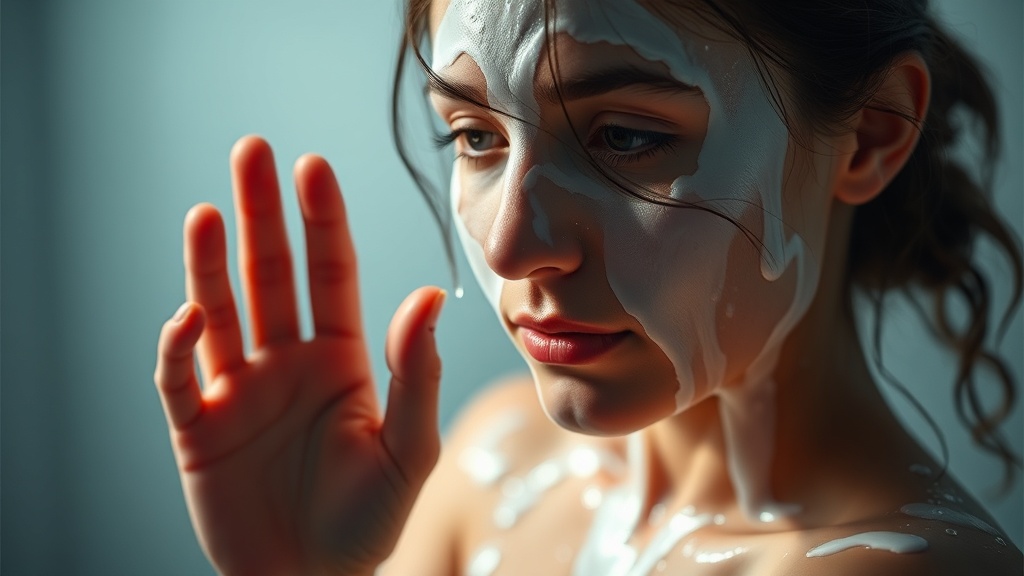
The Damp Skin Rule: Why Moisturizer Works Better on Wet Skin

Quick Tip
Applying moisturizer to damp skin traps water in the stratum corneum, preventing transepidermal water loss and boosting hydration by up to 50%.
This post breaks down the damp skin rule—why slapping moisturizer onto a freshly washed, slightly wet face beats waiting until it's bone dry. You'll learn the science behind faster absorption, which products play nicest with this trick, and how to tweak a routine for plumper, less itchy skin without buying a single new serum. Whether the concern is flaking, tightness, or makeup that cakes by noon, this small timing shift can change everything.
What is the damp skin rule?
The damp skin rule is simple: apply moisturizer within sixty seconds of cleansing, while the face is still slightly wet. (Think dewy, not dripping.) Water acts like a temporary carrier, helping humectants such as hyaluronic acid and glycerin pull moisture into the stratum corneum rather than letting it evaporate into thin air. When skin air-dries completely, that evaporation—called transepidermal water loss—steals hydration before a cream can even seal it in. It's a race against the clock, and most people lose by scrolling through their phones first.
Does damp skin help moisturizer absorb better?
Yes. Occlusive and emollient ingredients spread more easily over damp skin, creating a thin, even film that locks water in place. The American Academy of Dermatology recommends applying moisturizer immediately after bathing for exactly this reason. That said, timing matters more than temperature—lukewarm water won't shock the skin, but hot water will strip lipids and undo the benefits.
Here's the thing: not every formula loves wet skin. Rich balms and petrolatum-heavy ointments can slide around or feel greasy if applied too soon. Water-based gels and lightweight lotions—like Neutrogena Hydro Boost Water Gel or CeraVe Daily Moisturizing Lotion—sink in beautifully. The catch? Heavy occlusives work best when the skin is merely moist, not sopping. Wait until the towel has done most of the work before reaching for Aquaphor Healing Ointment.
Which moisturizers work best on damp skin?
Humectant-heavy and gel-cream textures win. They drink up the extra water and distribute evenly without pilling. Below is a quick comparison of popular formulas and how they behave when skin is still damp.
| Product | Texture | Damp-skin score |
|---|---|---|
| Neutrogena Hydro Boost Water Gel | Gel | Excellent—sinks in fast |
| CeraVe Daily Moisturizing Lotion | Light lotion | Great—ceramides lock water |
| La Roche-Posay Cicaplast Baume B5 | Rich balm | Good—blot first if very wet |
| Vaseline Original Petroleum Jelly | Occlusive ointment | Fair—can feel slippery |
Worth noting: body skin follows the same logic. Smoothing CeraVe Moisturizing Cream over damp arms and legs right out of the shower keeps flaking at bay far longer than dry-application ever will. Even oily types benefit—skipping this step often triggers the skin to overproduce sebum later in the day. A La Roche-Posay study on barrier repair found that hydrated stratum corneum recovers faster from irritation, which means less redness and fewer surprise breakouts.
Pat the face lightly with a towel, then reach for the moisturizer while the bathroom mirror is still foggy. That's the sweet spot.
Play around with wait times. Some prefer a fully soaked complexion; others stop at "just patted." There's no single right method—only the one that leaves skin soft, bouncy, and ready for sunscreen. Beauty is play, not performance, so experiment until the glow sticks.