
Stop Hiding Your Skin Texture Under Heavy Foundation
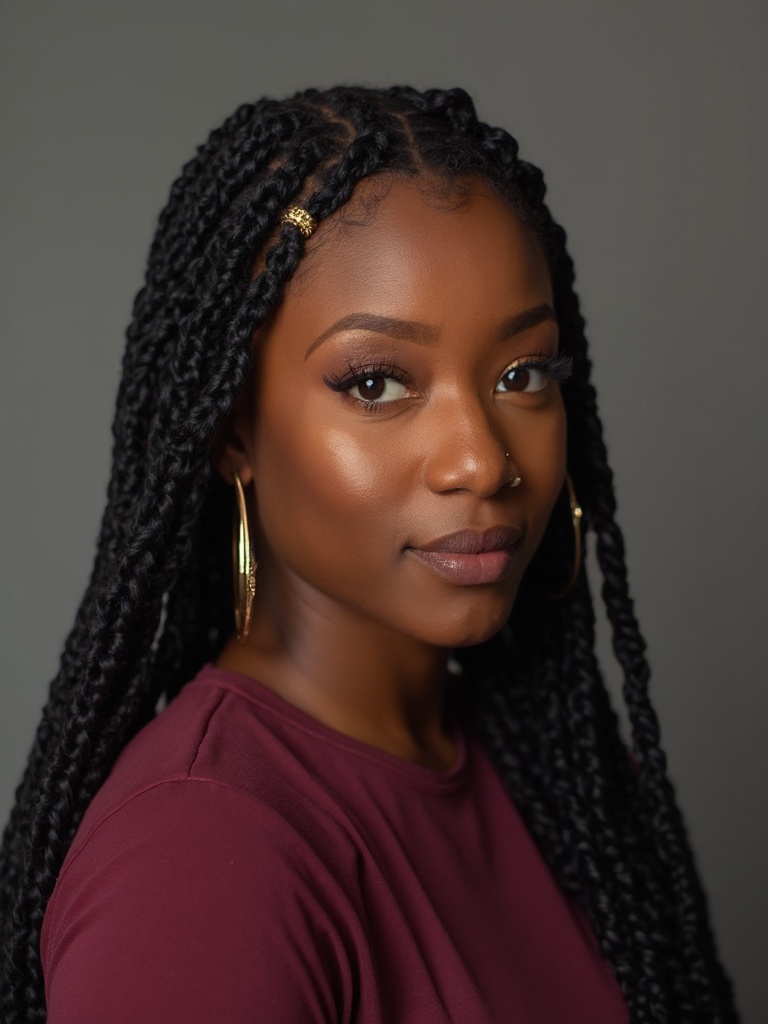
This post covers why heavy foundation often fails and how to build a complexion routine that celebrates your skin's natural surface. You'll learn how to select products that blend with your texture rather than sitting on top of it, ensuring your makeup looks like skin—not a mask.
We've all been there. You spend forty minutes applying layer upon layer of high-coverage foundation, only to look in the mirror and see every single pore, fine line, and bump highlighted more than before. It's frustrating. The industry tells us to cover everything up, but that's a lie. When you try to bury your skin under thick pigments, you aren't hiding texture; you're just giving it something to cling to. This is where the 'mask' effect happens, and it's something we need to move past if we want to actually look like ourselves.
Why does my foundation look cakey on textured skin?
The short answer? It's usually a combination of dehydration and product weight. When your skin is thirsty, it drinks the water out of your foundation, leaving behind the dry pigment particles. These particles then settle into your pores and lines, making them look much deeper than they actually are. If you aren't prepping with enough hydration, your foundation is doomed to look flaky by noon.
Another culprit is using too much product. Most people apply foundation with a heavy hand, thinking more coverage equals better results. In reality, the thicker the layer, the more it's going to emphasize every bump and ridge. Instead of a thick layer of heavy-duty foundation, try a thin, sheerer layer of tint or a skin tint. This allows your natural skin to breathe and prevents that heavy, artificial look that makes you feel like you're wearing a costume.
If you have large pores or acne scarring, avoid matte foundations with high silica content. While matte finishes look great in photos, they can be incredibly unforgiving in real life. Instead, look for products that offer a natural or satin finish. A bit of luminosity can actually help blur the appearance of texture by reflecting light more evenly, whereas a dead-matte finish makes every indentation stand out like a crater.
How do I prep my skin for a smooth makeup look?
Preparation is everything. You can't build a smooth house on a shaky foundation, and the same applies to your face. Start with a lightweight, water-based moisturizer. If you have oily skin, don't skip this step—just use a gel-based moisturizer. If you skip hydration, your skin will try to compensate by producing more oil, which will eventually break down your makeup and create a messy, uneven surface.
Once your moisturizer has sunk in, consider a primer that actually does its job. But a word of warning: stay away from those heavy, silicone-based primers that feel like putty. While they can temporarily fill in pores, they often cause the foundation to slide and separate later in the day. A more flexible, hydrating primer is usually a better bet for long-term wear. You can find detailed breakdowns of ingredient types on sites like the American Academy of Dermatology to understand what you're actually putting on your face.
One of my favorite tricks is to use a damp sponge rather than a brush. A brush can micro-exfoliate your skin as you move it, which actually lifts up dry patches and makes them more visible. A damp sponge—think of a beauty blender but slightly more forgiving—helps press the product into the skin rather than just sweeping it across the surface. This creates a much more seamless, integrated look.
What are the best products for bumpy skin?
If you're dealing with uneven texture, you want products that are buildable and easy to blend. Avoid high-coverage, high-viscosity liquids. Instead, look for these three types of products to keep in your kit:
- Skin Tints and Tinted Moisturizers: These provide a sheer wash of color that lets your skin's natural finish show through. They are much harder to mess up and look much more natural.
- Cream Blush and Bronzer: Cream products melt into the skin. Powder can often sit on top of texture, making it look much more obvious, while creams provide a dewy, blended finish.
- Liquid Highlighters: If you have texture, avoid high-shimmer powders. A liquid highlighter provides a glow that looks like it's coming from within, rather than a layer of glitter sitting on a bump.
You might also want to check out specialized skin-friendly resources like Healthline to understand how certain ingredients might affect your skin's surface before you apply makeup. Understanding the difference between a physical exfoliant and a chemical one can also help you manage texture without irritating your skin further.
Remember, the goal isn't to create a perfect, airbrushed face. The goal is to look like the best, most hydrated version of yourself. Texture is a normal part of being a human being. It's the texture of a life lived, and there is zero shame in it. When we stop trying to fight it and start working with it, our makeup actually starts looking better, not just more complete.