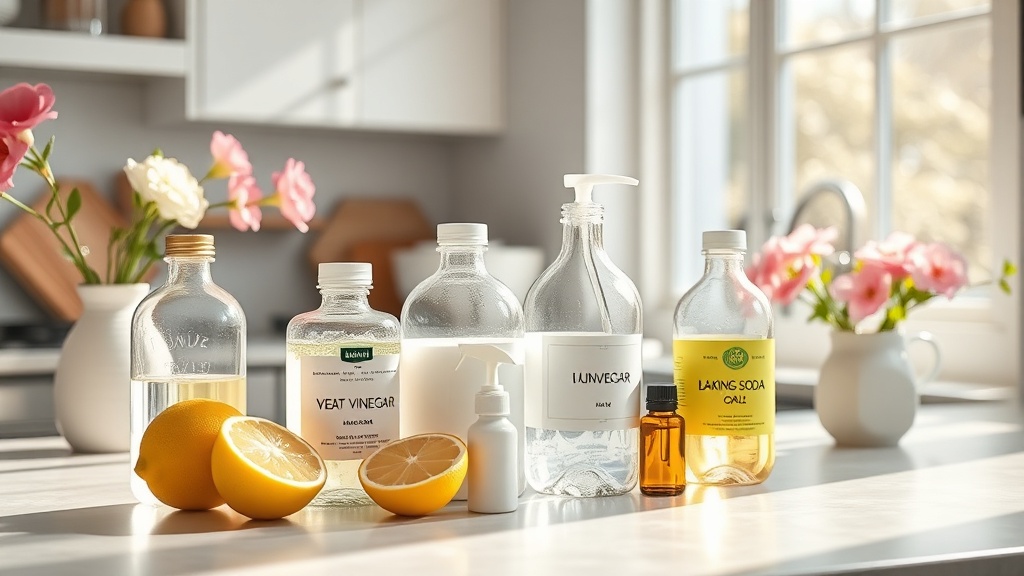
Spring Refresh: DIY Natural Cleaners for a Toxin‑Free Home

Ever walked into a stale kitchen and felt the whole house sigh?
That moment is the perfect cue to swap out the chemical‑laden sprays for a few pantry staples you already have. The result? A fresh‑smelling, sparkling home that’s kinder to your lungs, your wallet, and the planet.
Why does a spring detox matter now?
Spring isn’t just about blooming flowers; it’s also the season when indoor air quality can dip as we open windows and dust settles. Recent EPA guidelines highlight the health benefits of reducing indoor chemical exposure, and consumers are demanding non‑toxic alternatives. Your home can be part of that movement with zero‑cost, zero‑waste cleaners.
What pantry staples can become powerful cleaners?
Here’s a quick inventory of the heroes you’ll need:
- White vinegar — a natural disinfectant and deodorizer.
- Baking soda — gentle abrasive for scrubbing and odor‑absorbing.
- Lemon — bright citrus acid that cuts grease and leaves a fresh scent.
- Essential oils (tea tree, lavender, eucalyptus) — antimicrobial boost and fragrance.
- Castile soap — plant‑based soap base for all‑purpose mixes.
How do you mix a basic all‑purpose cleaner?
Ingredients (makes ~1 L):
- 2 cups warm water
- 1 cup white vinegar
- 1 tsp baking soda (add slowly to avoid fizz)
- 10‑15 drops of your favorite essential oil
- 1 tsp liquid Castile soap
Method: Combine water and vinegar in a spray bottle. Add baking soda—watch the gentle fizz. Stir in essential oil and Castile soap, then shake gently. Label the bottle with the date and keep it in a cool, dark spot.
What about a glass‑stove degreaser?
Mix ½ cup baking soda with enough water to form a paste. Spread on the stove, let sit 15 minutes, then wipe clean with a damp cloth. For stubborn spots, sprinkle a little lemon juice on the paste before scrubbing.
How can you tackle bathroom grime without harsh chemicals?
Combine 1 cup white vinegar, 1 cup water, and 10 drops tea‑tree oil in a spray bottle. Spray tiles, let sit 5 minutes, then scrub with a soft brush. For mold‑prone corners, a paste of baking soda and hydrogen peroxide (if you have it) works wonders.
Where should you store your DIY bottles safely?
- Use amber or recycled glass bottles to protect essential oils from light.
- Label each bottle with its purpose and the date you made it.
- Keep them out of reach of children and pets—just like any commercial cleaner.
- Store in a cool pantry or cabinet; most recipes stay effective for 3‑6 months.
How can you reduce plastic waste while you clean?
Swap single‑use spray bottles for refillable glass containers. Reuse old shampoo bottles (clean them thoroughly first) for larger solutions. When you need a fresh bottle, choose recycled‑plastic options from eco‑friendly brands that are BPA‑free.
What extra spring‑time tips keep your home toxin‑free?
- Ventilate daily: open windows for at least 15 minutes to flush out lingering VOCs.
- Swap out synthetic air fresheners for a bowl of citrus peels or a few drops of essential oil on a cotton ball.
- Replace old carpet with low‑VOC rugs; they trap fewer chemicals.
- Check your indoor plants—some, like spider plants, actually help filter indoor pollutants.
Where can I learn more about sustainable home upgrades?
If you enjoyed the DIY cleaning guide, you might also love our indoor herb garden tutorial and the Earth Day beauty swap roundup. All of them focus on low‑impact, high‑joy lifestyle changes.
Takeaway
Spring is the perfect moment to swap chemicals for pantry‑powered cleaners. With a few simple recipes, reusable bottles, and mindful storage, you’ll enjoy a fresher home, a healthier family, and a lighter carbon footprint. Give one recipe a try today, and watch your space—and your conscience—shine.