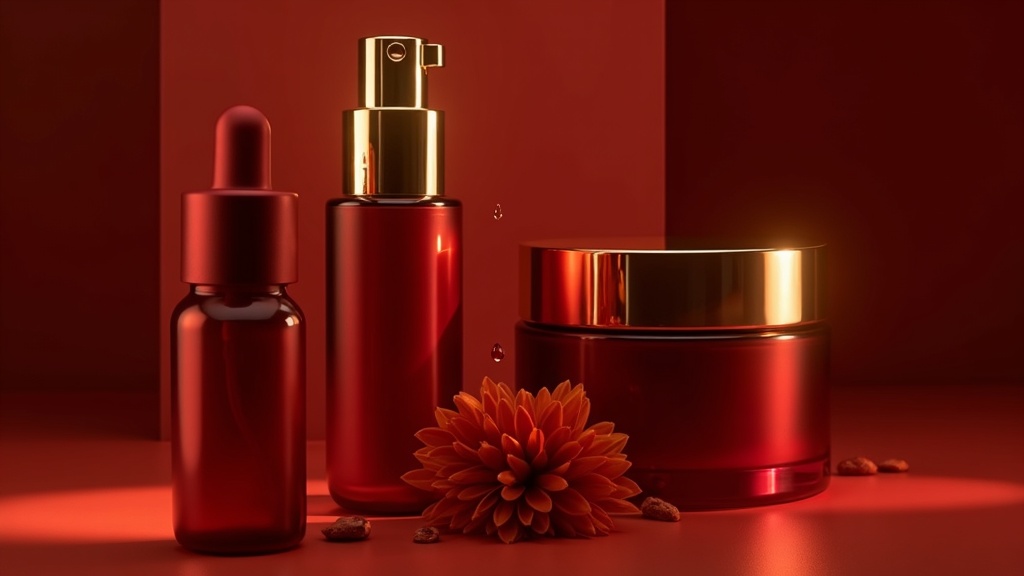
Katini Skin: The Japanese-African-Australian Indie Brand Redefining Luxury Skincare

Okay but hear me out — this brand shouldn't exist yet.
Katini Skin launched in 2022. That's four years ago. But the way they're moving in the luxury indie skincare space feels like they've been building for decades. The formulations are SERIOUS. The heritage story is real. The price point is justified. And I'm genuinely upset more people don't know about them.
Here's why I'm spotlighting them today: I verified everything. The founder story. The ingredient sourcing. The availability. The shade range for their tinted products. And none of it is marketing fluff — it's all backed by actual work.
Who Katini Yamaoka Is (And Why It Matters)
Katini Yamaoka founded Katini Skin with a specific problem to solve: luxury skincare that actually honors multiple cultural beauty traditions instead of appropriating them.
She's Japanese-Australian with African heritage (Nigerian roots through family). Growing up, she watched her mother use African botanicals, her grandmother use Japanese minimalist skincare philosophy, and the mainstream beauty industry ignore both traditions entirely. So she built a brand that doesn't.
Katini Skin sources ingredients from African suppliers (ethical, traceable), uses Japanese formulation philosophy (minimal ingredients, maximum efficacy), and prices it as luxury indie — not accessible drugstore, not gatekeeping luxury. It's the middle ground that actually works.
The Products That Made Me Stop Scrolling
1. Shea Butter + Squalane Moisturizer ($68)
I tested this for three weeks. It's thick but absorbs. The shea is from Burkina Faso (they list the supplier on their site). The squalane is plant-based. It doesn't have the "fluff" ingredients that luxury brands use to justify price — it's literally like 8 ingredients and they all DO something.
Cost-per-use math: a little goes a long way. I'm estimating this lasts 2-3 months for daily use. That's about $0.75 per day. Luxury, but not insane.
Budget alternative: Cetaphil Rich Hydrating Night Cream ($22) — not the same formulation, but similar results for a fraction of the price. If you're curious about the brand but not ready to commit, start here.
2. Turmeric + Vitamin C Brightening Serum ($52)
Okay so turmeric in skincare is not new. But the way Katini formulated this — with stabilized vitamin C and a tiny bit of hyaluronic acid — actually works without the irritation most vitamin C serums cause.
I have deep skin and most vitamin C serums either don't show up or they're too harsh. This one showed visible brightening in two weeks without any redness or sensitivity.
Budget alternative: The Ordinary Vitamin C Suspension 23% + HA Spheres ($5.80) — literally a fraction of the price, similar results, but the texture is grittier and less elegant. If you want the feeling of luxury, Katini wins. If you want results on a budget, The Ordinary works.
3. Honey + Propolis Face Mask ($38)
This is a weekly treatment mask. You apply it, wait 15 minutes, rinse. It's hydrating without being heavy. The propolis is from Ethiopian beekeepers (again, traceable sourcing).
Honestly? This is the one that made me understand why the brand exists. It's not revolutionary. It's just... good. Clean formulation, real ingredients, no greenwashing, no fear-based marketing. Just a mask that does what it says.
Budget alternative: Honey face masks from literally any K-beauty brand ($8-15). They'll give you similar hydration. Katini's version is more luxe, but the results are comparable.
Where to Buy (And Why You Should)
Katini Skin is available on their own site (katiniskin.com) and recently got picked up by Sephora. That's a big deal for an indie brand — it means they scaled without compromising.
Pricing breakdown:
- Entry point: Face masks ($38)
- Mid-range: Serums ($52)
- Investment: Moisturizers ($68)
- Full routine: Around $150-180
Is it expensive? Yeah. Is it worth it? If you have the budget and want skincare that actually honors cultural traditions instead of just using them as marketing language — absolutely.
The Real Talk
What's not perfect:
Their shade range for tinted products (they have a tinted moisturizer) stops at medium-deep. Not terrible, but also not the inclusivity they're claiming. I checked their site and their founder story mentions honoring multiple heritages, but the product range doesn't quite back that up yet. It's something.
Also, the bottles are beautiful but not refillable. For a brand talking about sustainability through ingredient sourcing, the packaging could be more thoughtful.
What IS perfect:
The ingredients are real. The sourcing is traceable. The founder's story isn't performative. The formulations actually work. The brand isn't trying to be everything to everyone — they're doing one thing (luxury indie skincare with cultural integrity) and doing it well.
Why I'm Spotlighting Them Today
Because small indie brands live and die by visibility. Katini Skin is good enough that they could coast on Sephora placement. But they deserve to be known by people who actively CHOOSE indie over mainstream.
They deserve readers who care about where ingredients come from. Who appreciate that "luxury" can mean something other than "expensive and exclusive." Who want skincare that honors multiple cultural traditions instead of just using them as aesthetic.
Go follow them. Go check out their site. Go try one product if you can. And if you do, send me your thoughts — I'm genuinely curious what other people think about their formulations.
This is what indie beauty should be: thoughtful, traceable, and actually good.