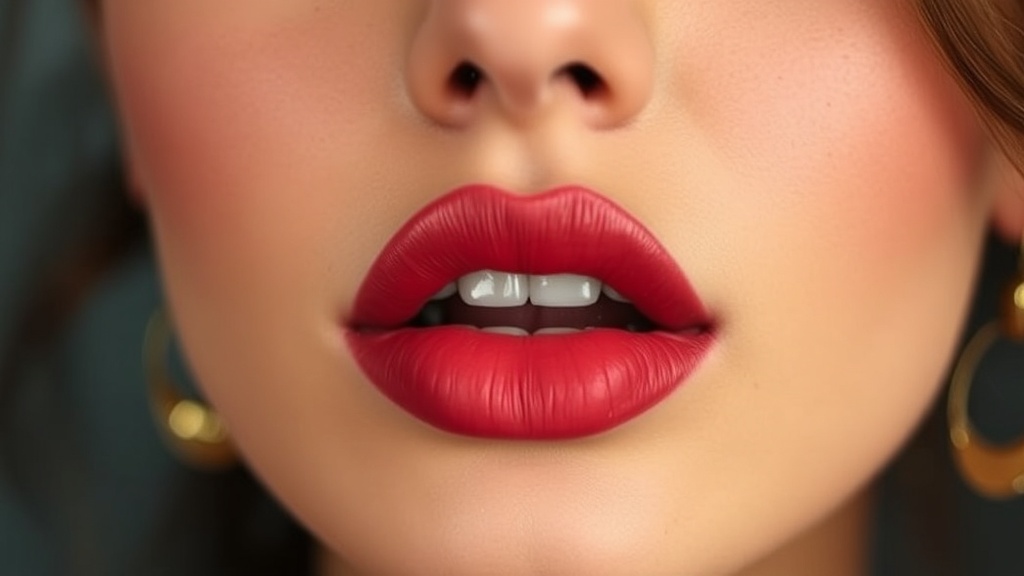
Finding Your Perfect Lip Color When Undertones Clash
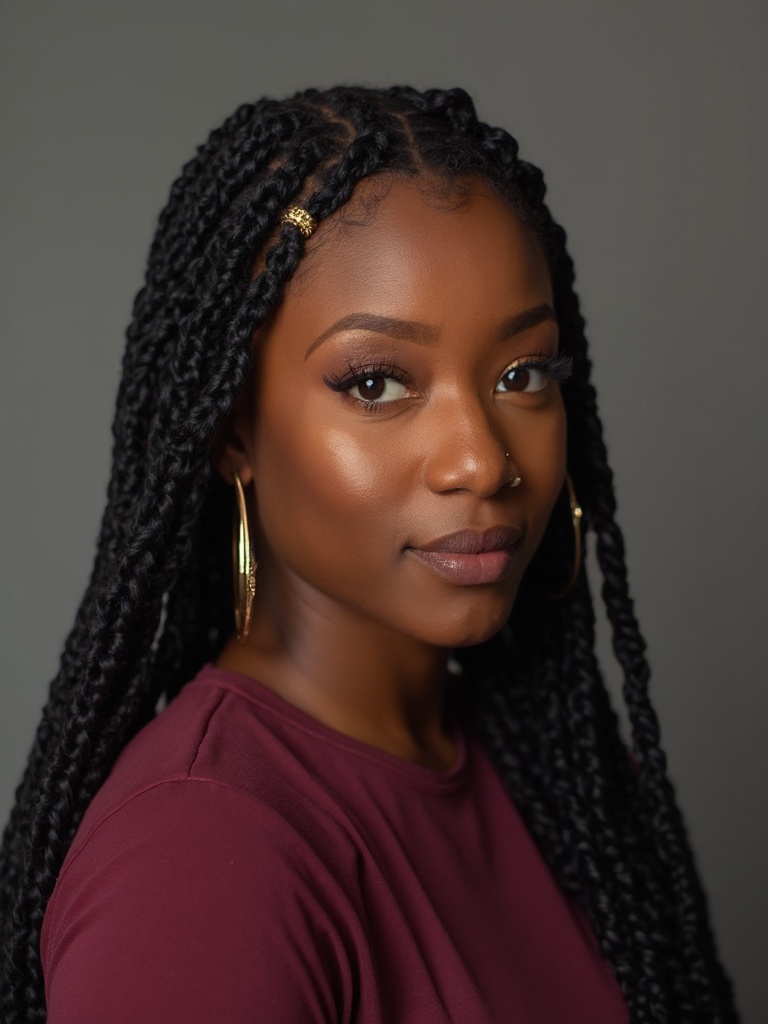
You'll learn how to identify your skin's true undertones and pick lip products that actually look natural instead of jarring. Most people settle for lipsticks that wash them out or look overly orange, but once you understand the relationship between pigment and temperature, you can stop guessing.
Finding a lip color that doesn't feel like a costume is a common struggle. We've all been there—buying a 'nude' lipstick that looks like a beige smear of clay, or a red that makes us look jaundiced. The issue isn't your face; it's the mismatch between the pigment's temperature and your skin's natural base. Most beauty brands make the mistake of assuming everyone fits into a few standard categories, but real skin is complex, messy, and unpredictable.
Is My Skin Warm, Cool, or Neutral?
Before you buy another tube of color, you need to figure out your baseline. There are three main categories: warm, cool, and neutral. Warm undertones have hints of yellow, peach, or golden hues. Cool undertones lean toward pink, red, or bluish tones. Neutral skin sits right in the middle, often making it easier to wear various shades, though it still has its own set of rules. A quick way to check is the vein test—look at the veins on your wrist under natural light. If they look green, you're likely warm. If they look blue or purple, you're cool. If you can't tell, you're probably neutral.
Another way to test this is the jewelry trick. Gold jewelry tends to glow against warm skin, while silver looks better on cool-toned complexions. If you look great in both, you've hit the neutral jackpot. However, don't rely solely on this—your skin's surface color (your overtone) can be different from your undertone. You might be a fair-skinned person with a warm undertone, or a deep-skinned person with a cool undertone. This distinction is where most people get tripped up.
Which Lip Colors Work for My Undertone?
Once you know your base, you can shop with intention. If you have cool undertones, look for lipsticks with blue or purple bases. Think berry, plum, or a true 'blue-red' (like a classic Hollywood red). Avoid corals or yellowish-oranges, as these will clash harshly with your skin. If you are version of warm-toned, you want to lean into golds, peaches, and terracotta. A brick red or a warm brownish-nude will look much more harmonious on you than a bright pink.
For the neutral-toned crowd, the world is your playground, but beware of extremes. You can pull off almost anything, but if you want a truly seamless look, look for 'muted' versions of colors. Instead of a neon pink, try a dusty rose. Instead of a bright tangerine, try a soft apricot.
- Cool: Blue-based reds, mauve, berry, lilac.
- Warm: Coral, terracotta, peach, brick red.
- Neutral: Muted pinks, soft browns, balanced nudes.
It's also helpful to look at the expert advice on color theory to see how colors interact with light. A shade might look great in the packaging but look completely different once it hits your lips. This is because the pigments in the lipstick react with your natural lip pigment and the light in the room.
How Do I Find the Right Nude?
The 'perfect nude' is a myth for anyone who isn't a professional, but you can get close. A true nude should be one or two shades darker than your natural lip color. If you go too light, you'll look washed out (the dreaded 'chalky' effect). If you go too dark, it becomes a statement color rather than a natural-looking lip.
If you have deep skin, a nude for you might look like a deep chocolate or a rich espresso. If you have very fair skin, a nude might be a soft peach or a beige-pink. The goal is to mimic the depth of your natural lip. If your lips have a lot of natural pigment, you'll need a more pigmented product to mask it. If your lips are quite pale, a sheer tint might be enough.
One thing to keep in mind is texture. A matte nude can look very flat and can sometimes make lips look smaller. A creamy or satin finish often provides a more 'lived-in' look that feels more natural. If you're testing products in a store, don't just look at the swatch on your hand—the skin on your hand is much lighter and different in texture than your lips. A shade that looks great on your wrist might look completely different once it's actually on your mouth.
Check out the beauty guides at Vogue for more on how seasonal shifts can change how certain colors look on you. For instance, a peach nude that looks great in the summer might look a bit sickly in the middle of winter when your skin is more pale and cool-toned.
| Undertone | Best Lip Colors | Colors to Avoid |
|---|---|---|
| Warm | Coral, Terracotta, Gold-Red | Cool Pink, Blue-Red |
| Cool | Berry, Plum, Blue-Red | Orange, Peach |
| Neutral | Dusty Rose, Muted Peach | Neon shades |
Ultimately, the rules are just suggestions. If you love a color that technically 'clashes,' wear it anyway. Beauty is supposed to be play, not a strict set of rules you have to follow to be 'correct.' But knowing these basics will at least help you understand why certain products aren't working the way you expected them to.