Eco-Friendly Meal Prep for Busy Professionals: Sustainable Hacks for a Hectic Spring

Eco‑Friendly Meal Prep for Busy Professionals: Sustainable Hacks for a Hectic Spring
Why does meal prep matter when you’re juggling meetings, deadlines, and a social life?
Because the average professional wastes ≈30 % of the food they buy each month – that’s money, time, and a hidden carbon footprint. The EPA estimates U.S. households toss 30 % of food purchases. If you can curb that waste while still eating well, you’re instantly saving cash, cutting emissions, and freeing up fridge space for the meals you actually love.
What’s the secret sauce for a truly green meal‑prep routine?
It’s three simple pillars: reuse, plan, and power‑up. I’ve tried countless containers, apps, and batch‑cooking tricks, and the ones that survived my Brooklyn‑style hustle are the ones that respect the planet and my calendar.
1️⃣ How can I choose containers that actually reduce waste?
Most “eco‑friendly” containers are just marketing fluff. Here’s what works for me:
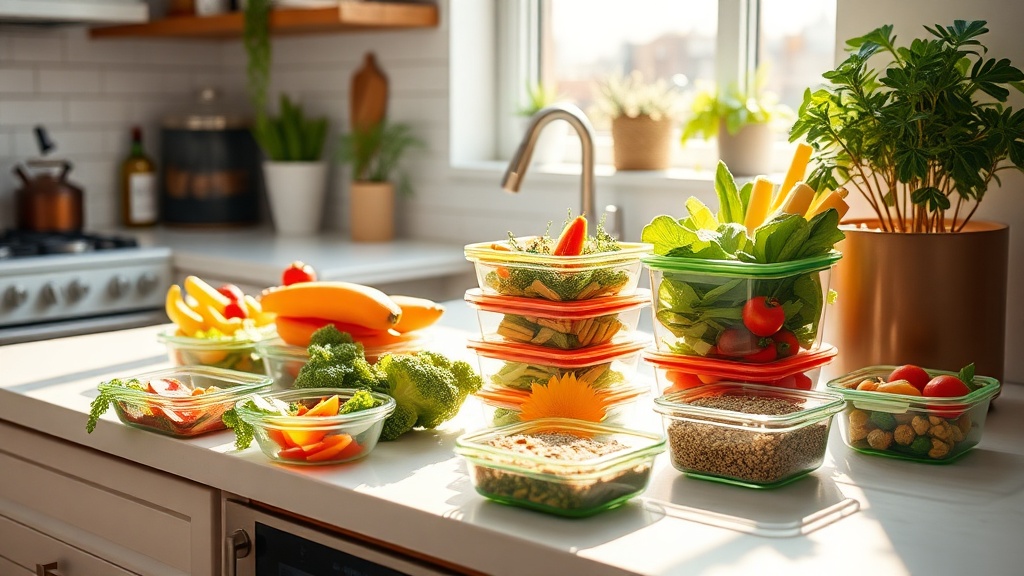
- Glass jars with silicone lids – they’re microwave‑safe, don’t stain, and you can see exactly how much you’ve packed. I repurposed jam jars from the farmer’s market; a quick drill for a drainage hole turns them into salad‑ready bowls.
- Stainless‑steel Bento boxes – durable, leak‑proof, and they keep hot foods hot. Look for the REI guide on stainless steel for the best brands.
- Silicone collapsible containers – perfect for soups or stews you want to freeze. They flatten to a pancake when empty, saving drawer space.
- Reusable silicone bags – a great alternative to single‑use zip‑locks for snacks, nuts, or pre‑chopped veggies.
Pro tip: Keep a starter kit on your desk – a 2‑liter glass jar for overnight oats, a stainless‑steel lunchbox for salads, and a silicone bag for cut fruit. When you’re out and about, you already have the gear to avoid disposable packaging.
2️⃣ How do I plan meals that stay fresh all week without over‑cooking?
Planning is the difference between “I’m eating a wilted salad” and “I’m crushing my macro goals.” I use a hybrid of a digital planner (Google Calendar) and a simple spreadsheet that tracks three columns: protein, veg, carb. Here’s my weekly flow:
- Sunday 30‑minute prep session – Cook a batch of grain (quinoa, brown rice, or farro) and a protein (tofu, tempeh, or grilled chicken). Store each in its own glass jar.
- Mid‑week “refresh” (Wednesday) – Toss a fresh batch of greens and a quick‑cook veggie (e.g., snap peas) into a silicone bag. This keeps textures crisp.
- Snack stash – Pre‑portion hummus, nuts, and fruit into reusable bags. You’ll never reach for a bag of chips again.
By separating grains, proteins, and veggies, you can mix‑and‑match any day. It also reduces the chance of one ingredient going bad before you use it.
3️⃣ How can I power‑up my meals with sustainable ingredients?
Choosing ingredients that are both nutritious and low‑impact is easier than you think:
- Seasonal produce – Spring is peak for asparagus, peas, and strawberries. Buying in season cuts transport emissions by up to 30 % (NRDC).
- Plant‑based proteins – Lentils, chickpeas, and edamame have a fraction of the carbon footprint of beef. A cup of lentils provides 18 g of protein with just 0.9 kg CO₂e.
- Bulk nuts & seeds – Buy in bulk to avoid packaging. Store them in a glass jar and portion with a small silicone scoop.
- Zero‑waste pantry staples – Keep a stash of oat flour, nutritional yeast, and dried herbs in reusable containers. They’re versatile and last forever.
When you shop, bring your own reusable produce bags and a sturdy tote. It’s a small habit that adds up.
4️⃣ How do I keep my prep routine fast when time is scarce?
Speed isn’t about cutting corners; it’s about smart shortcuts:
- Pre‑washed greens – Buy loose greens and give them a quick rinse in a colander, then spin dry in a salad‑spinner. They stay fresh for up to a week.
- One‑pot grains – Cook quinoa or rice in the same pot you’ll use for a stir‑fry. No extra dishes, no extra time.
- Microwave‑steam veggies – Place chopped broccoli in a microwave‑safe bowl with a splash of water, cover, and steam for 3‑4 minutes. Instant, no stovetop needed.
- Batch‑blend sauces – Whip up a big batch of tahini‑lemon dressing or peanut‑ginger sauce and store in a glass jar. It lasts a week and instantly upgrades any bowl.
My favorite “time‑saver” hack is to use a **silicone muffin tray** for individual portions of grain‑salad. Pop them in the fridge, and you have grab‑and‑go lunches that never get soggy.
5️⃣ How can I stay motivated and keep waste at bay?
Accountability works wonders. I track my food waste with a simple spreadsheet: date, item, amount tossed. Seeing the numbers shrink week over week is a real morale boost.
Another trick: set a “zero‑waste” challenge for one week each month. During that week, I only use reusable containers, compost scraps, and plan every meal ahead. It forces me to be intentional, and the habits carry over after the challenge ends.
What are the quick‑win tools and apps that actually help?
Here are three tools I swear by (and they’re free or low‑cost):
- Mealime – Generates weekly meal plans based on dietary preferences, then creates a grocery list you can edit to prioritize local, seasonal items.
- Zero Waste Tracker (iOS/Android) – Logs food waste, gives you a visual reduction chart, and suggests alternative recipes for leftovers.
- Google Keep + QR codes – I label each reusable container with a QR code that links to the corresponding recipe in my Keep notes. Scan, open, and you’re ready to assemble.
Where can I learn more about sustainable eating?
Takeaway: Turn a chaotic schedule into a green habit
Start small: pick one reusable container, plan a single week of meals, and track your waste. The habit compounds, and before you know it you’ve slashed food waste, saved money, and built a meal‑prep routine that feels as effortless as scrolling TikTok. Remember, “break the rules, keep the receipts” – if you can prove the savings on your bank statement, you’ve won.
Related Reading
- Sustainable Indoor Herb Garden for Fresh Cooking – Grow your own herbs to cut grocery waste.
- Eco‑Friendly Closet Clean‑out – Reuse clothing, reduce textile waste.
- Home Office Upgrades for Wellness – Create a productive, low‑impact workspace.
- 5 Sustainable Beauty Swaps – Extend the eco‑mindset beyond food.