Daylight Saving Time Shift: Boost Remote Work Productivity with Smart Home Office Hacks

Hook
Did you lose an hour of sleep and feel your focus crumble the moment the clocks spring forward? You’re not alone—remote workers everywhere are scrambling to keep productivity high while the daylight shift throws their routines off‑balance.
Why the DST shift matters for remote work
The spring‑forward change isn’t just a calendar quirk; it disrupts our circadian rhythm, short‑circuits sleep quality, and can shave precious concentration minutes from a typical work‑day. A recent Harvard Business Review study found a 7% dip in remote‑worker output during the first three days after the shift. If you want to stay on top of your to‑do list, you need a game plan.
How can you adjust your home‑office routine?
What simple lighting tweaks can counteract the hour loss?
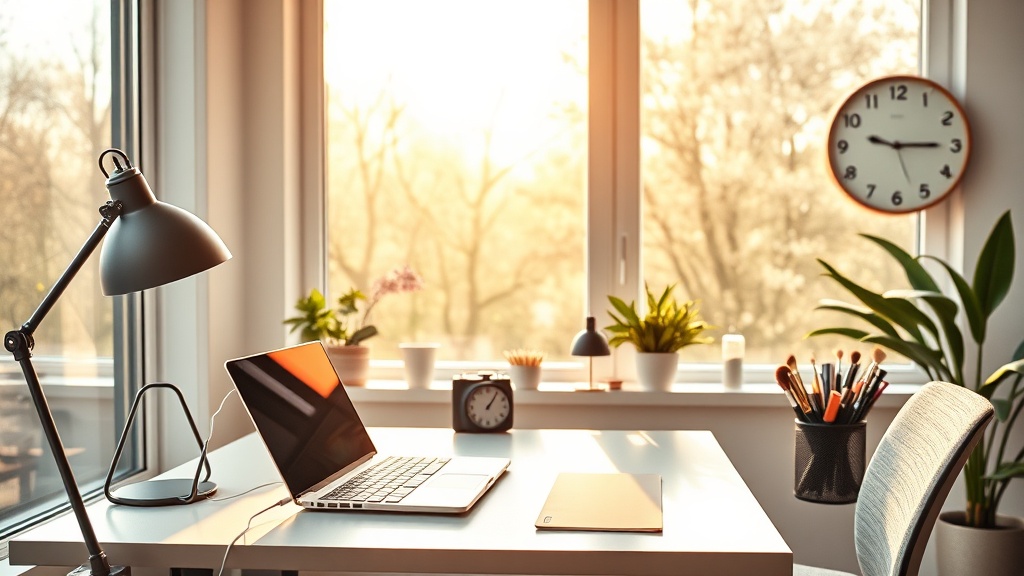
- Embrace natural light — Position your desk near a window and keep blinds open. Sunlight helps reset your internal clock faster than artificial bulbs.
- Add a daylight‑simulating lamp — A 5000 K “bright white” lamp mimics sunrise and can boost alertness during the dark‑early‑morning hours.
- Avoid blue‑light overload after 9 pm — Switch to warm‑tone bulbs or enable night‑mode on screens to protect melatonin production.
“I switched to a daylight lamp and noticed my focus returning by day two,” says Zara, a self‑taught makeup artist who works from a Brooklyn loft.
How should you restructure your break schedule?
- Micro‑break every 90 minutes — Stand, stretch, or do a quick 2‑minute eye‑exercise. It combats the post‑DST grogginess that often spikes after long screen sessions.
- Strategic power‑nap (20 min) — If you’re struggling to stay awake after lunch, a short nap can restore alertness without hurting nighttime sleep.
- Schedule demanding tasks for late morning — Your body’s cortisol peaks around 9‑11 am; slot creative or high‑focus work then, before the afternoon slump hits.
Which home‑office ergonomics help maintain energy?
- Adjust your chair height — A slightly higher seat can improve posture and breathing, aiding oxygen flow when you feel sluggish.
- Add a standing desk — Even 15 minutes of standing can boost circulation and keep the post‑DST lethargy at bay.
- Incorporate scent cues — A citrus or peppermint diffuser can stimulate alertness, a trick many beauty‑industry pros use to stay sharp during long makeup sessions.
What habits keep your sleep health on track?
- Stick to a consistent bedtime — Even on weekends, aim for the same sleep window. Consistency beats the clock change in the long run.
- Limit caffeine after 2 pm — It can linger in your system and worsen the DST‑induced sleep deficit.
- Hydrate early — Dehydration can amplify fatigue; keep a water bottle at your desk.
According to the CDC Sleep Health page, adults need 7‑9 hours of sleep for optimal cognitive performance. Missing just one hour can reduce reaction time by up to 15%.
Quick‑hit checklist to survive the spring‑forward shift
- ☑ Place desk near a window; open blinds first thing.
- ☑ Set up a 5000 K daylight lamp.
- ☑ Schedule a 20‑minute power‑nap after lunch.
- ☑ Take a 5‑minute stretch break every 90 minutes.
- ☑ Turn off blue‑light filters after 9 pm.
- ☑ Keep caffeine intake before 2 pm.
- ☑ Drink a glass of water every hour.
Related reading
- Bio‑Harmony Living: Sync Your Routine with Your Circadian Rhythm — Dive deeper into aligning daily habits with your body’s clock.
- Spring Refresh: Oscar‑Inspired Home Upgrades & Longevity Tips — Upgrade your workspace for both style and productivity.
- Spring Cleaning Your Closet: Eco‑Friendly Strategies — A tidy environment supports a tidy mind.
Takeaway
The DST jump doesn’t have to derail your remote‑work flow. By tweaking lighting, breaking up the day, and protecting your sleep hygiene, you can turn the hour‑loss into an opportunity to sharpen focus and boost productivity. Implement the checklist today, and watch your performance bounce back—no matter how the clocks change.
<meta.faqs>
[
{"question": "How does Daylight Saving Time affect remote workers' sleep?", "answer": "The hour‑loss shifts your circadian rhythm, often reducing sleep duration and lowering melatonin, which can cause grogginess and slower reaction times."},
{"question": "What lighting changes help maintain focus after the spring‑forward shift?", "answer": "Use natural light, add a 5000 K daylight‑simulating lamp, and switch to warm‑tone bulbs after 9 pm to support melatonin production."},
{"question": "Can a short power‑nap improve productivity during DST transition?", "answer": "Yes—a 20‑minute nap can restore alertness without disrupting nighttime sleep, especially if taken before 3 pm."}
]
</meta.faqs>