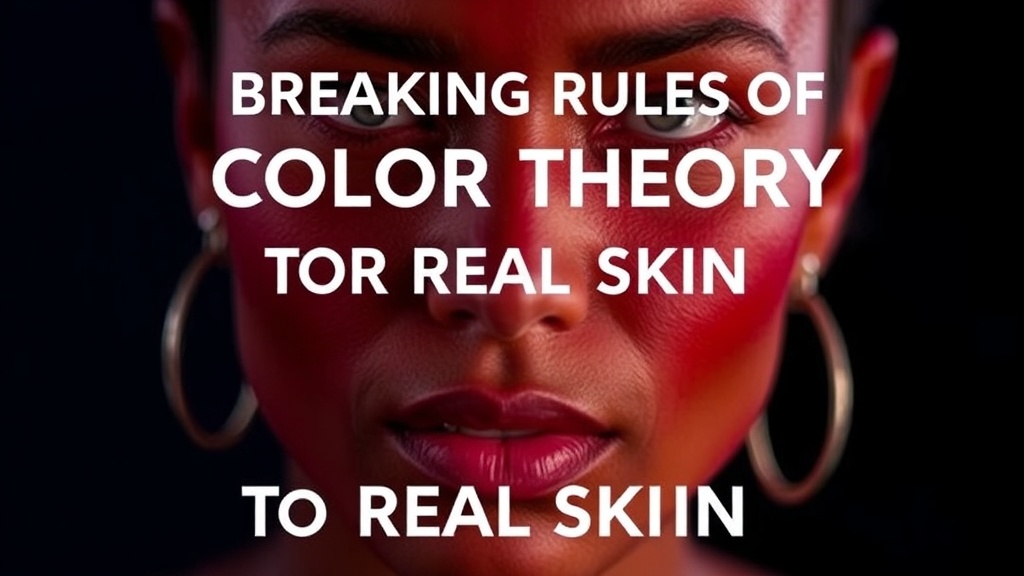
Breaking the Rules of Color Theory for Real Skin
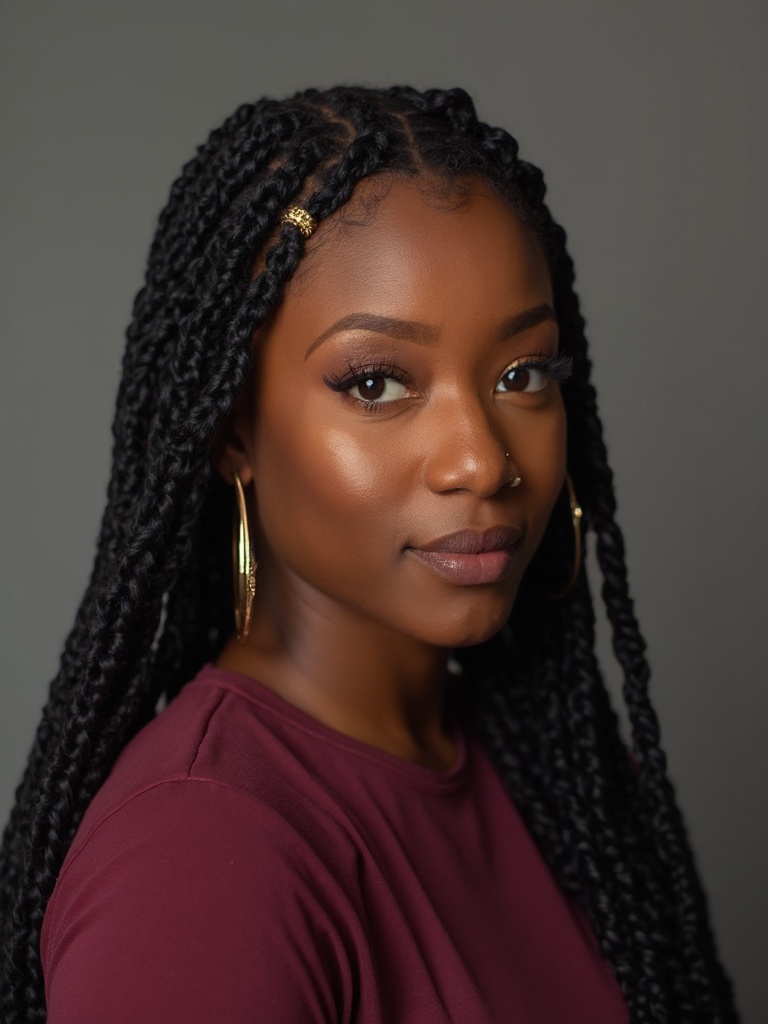
Why Traditional Color Theory Fails Most People
Research shows that nearly 40% of consumers feel the current beauty market lacks products that actually respect their unique undertones. For decades, the industry has pushed a very specific, narrow definition of what 'looks good' on certain skin tones. This isn't just a minor annoyance—it's a systemic exclusion. Most people are taught that there are strict rules about which colors sit next to each other, but those rules often ignore the reality of how skin reacts to light, texture, and pigment. We're moving past the era of rigid color wheels and into a space where experimentation is the standard.
When we talk about color theory, we aren't just talking about circles on a page. We're talking about how a certain shade of ochre interacts with a cool-toned olive base, or why a specific jewel tone might make you look tired rather than vibrant. The traditional way of teaching color—the one that tells you to 'avoid' certain hues—is outdated. At Beauty Untamed, I believe your ability to play with color shouldn't be restricted by a textbook written for a different kind of person.
Can I Wear Warm Colors if I Have Cool Undertones?
The short answer? Yes. The long answer involves understanding how contrast works. Many people feel stuck in a box—if they have cool, pinkish undertones, they're told they can only wear certain colors. But color is about more than just your base; it's about the light you're standing in and the way your skin reflects it.
Instead of trying to 'correct' your skin, try to lean into the tension. If you have a cool undertone, a warm, terracotta-toned blush can actually create a striking, intentional contrast. This isn't about looking 'perfectly blended'—it's about creating a look that has depth. Here’s how to approach it:
- Identify your anchor: Pick one color that feels safe and build a high-contrast look around it.
- Test the light: Colors look different under fluorescent office lights than they do in natural sunlight. Check your shades in both.
- Texture matters: A matte pigment behaves differently on the skin than a shimmer. A warm color in a cream texture might feel much more natural than a powder.
How Do I Find My True Undertone?
Most people get this wrong because they look at their skin in a bathroom mirror under artificial light. That's not a real-world test. To find your actual undertone, you need to see how your skin reacts to different environments. One of the most effective ways is to look at your veins, but even that can be misleading if you're dehydrated or under certain lighting.
A better way? Look at the metals and the shadows. Do you look more alive in silver or gold? Does your skin look more vibrant when you're wearing a crisp white or a creamy ivory? According to