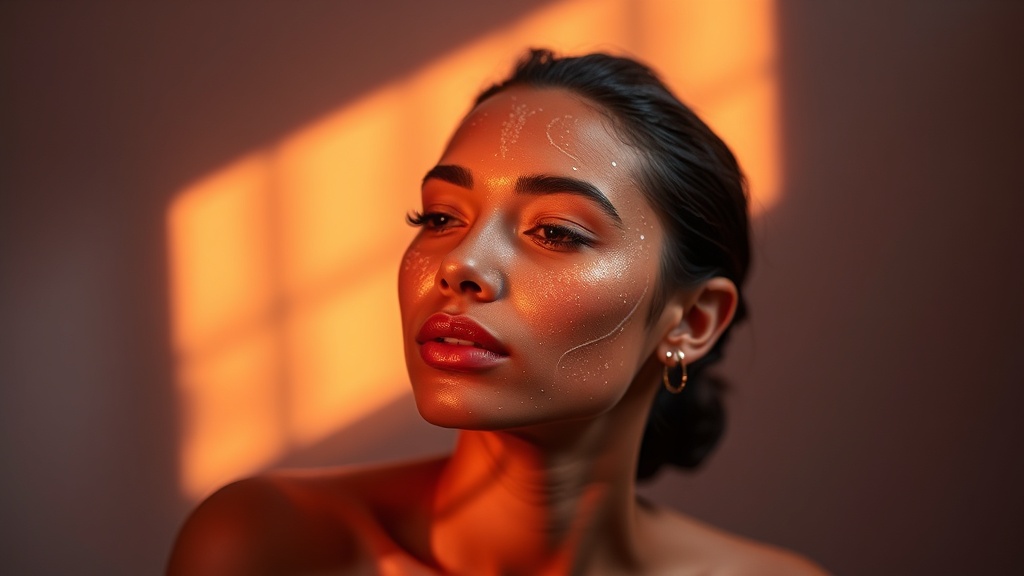
Beyond the Glow: Why Your Skin Texture Isn't a Problem to Fix
Why does my skin look textured under foundation?
Have you ever spent forty minutes perfecting a base only to look in the mirror and realize your foundation is clinging to every tiny bump, pore, or fine line? It's frustrating. You follow every tutorial, buy the expensive primers, and yet—somehow—the finish looks nothing like the filtered photos on your screen. This happens because the beauty industry has spent decades selling us a lie: that skin should be a flat, poreless surface. In reality, skin is a living, breathing organ with texture, and trying to "fix" it with heavy coverage often makes the problem much more visible.
Texture isn't a flaw; it's just the physical reality of human skin. Whether it's enlarged pores, small bumps, or fine lines, these elements react to light and product in specific ways. When we use high-coverage, heavy-pigment foundations to hide these areas, the product settles into the indentations, creating a high-contrast look that draws more attention to the very thing you wanted to hide. Instead of fighting against your natural surface, we need to change how we interact with it.
Understanding the Layers of Skin Texture
To handle texture, you have to know what you're actually dealing with. Texture usually falls into three camps: dehydration lines, congestion, or natural pore structure. If your skin feels tight and looks crepey, you're likely dealing with dehydration. If you see small, hard bumps, that's often congestion or a reaction to a product. If your skin just looks "unrefined," that's often just your natural pore structure. Each one requires a different approach to makeup and skincare.
For those dealing with dehydration-induced texture, the solution isn't more foundation—it's more moisture. A lack of water in the stratum corneum (the outermost layer of skin) makes the surface look uneven and prone to micro-cracking. You can check your skin's hydration levels by looking at the American Academy of Dermatology's advice on dry skin, which highlights how moisture levels directly affect skin appearance.
Can I hide pores without using heavy makeup?
The short answer is yes, but the method is way different than what the big brands tell you. Most people reach for a heavy, silicone-based primer to "fill" pores. While this works for a photo, it often creates a sliding sensation once you start sweating or moving throughout the day. Instead of trying to fill the hole, try to diffuse the light hitting it.
Light-diffusing technologies in primers or even sheer tints work better than heavy-duty putty primers. The goal is to blur the edges of the pore rather than plugging the pore itself. If you're using a high-coverage foundation over large pores, try a "stippling" motion rather than a dragging motion. Dragging a brush or sponge across the skin pulls the product out of the pores and creates streaks. A light, tapping motion keeps the product sitting on the surface without being forced into every tiny crevice.
One thing to keep in mind is the finish of your products. Matte finishes are notorious for highlighting texture. A matte finish absorbs light, which creates shadows in the dips and bumps of your skin. If you want to minimize the appearance of texture, opt for satin or luminous finishes. These reflect light more evenly, which helps to mask the unevenness of the skin's surface.
The Role of Skincare in Makeup Performance
Your makeup is only as good as the canvas underneath it. If you're applying expensive foundation over a layer of dead skin cells, it's going to look patchy no matter what you do. Regular exfoliation is the secret to a smooth base, but you have to be careful. Over-exfoliating can actually cause more inflammation and texture. Look for gentle chemical exfoliants like PHAs (polyhydroxy acids) which are much more forgiving for sensitive skin types.
Is my skin texture caused by my products?
Sometimes, the very products we use to look better are the ones causing the unevenness. This is a common cycle. You notice texture, so you buy a heavy foundation to hide it, which then clogs your pores and creates more texture. It's a loop that's hard to break. If you notice your skin looks much worse after a certain product, it's time to look at the ingredients. High concentrations of certain oils or heavy waxes can sit on top of the skin and create a "cakey" look that emphasizes every bump.
A great way to test this is to look at the ingredient lists of your current routine. For instance, if you're using a heavy cream and then a heavy foundation, you're essentially creating a layer of grease that isn't binding to your skin. This leads to "pilling," where the product rolls up into little balls. To prevent this, ensure your skincare has actually absorbed before you start your makeup. Wait at least five minutes after applying your moisturizer or SPF. This allows the products to settle and creates a stable base for your pigment.
| Texture Type | Likely Cause | Quick Fix |
|---|---|---|
| Fine Lines | Dehydration | Hyaluronic Acid & Dewy Primer |
| Small Bumps | Congestion/Product Build-up | BHA Exfoliant & Lightweight Moisturizer |
| Visible Pores | Natural Structure | Light-Diffusing Tint & Tapping Application |
Ultimately, beauty is about play, not perfection. If your skin has texture, let it. A little bit of realness doesn't make your makeup look bad—it makes it look human. Instead of trying to reach for a mask of coverage, try to find products that work with your skin's natural movement. Whether you're wearing a full face or just a bit of tint, remember that your skin is a living-in, breathing part of you, not a plastic surface to be perfected.